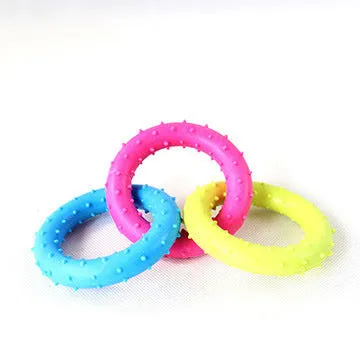
Dog bite-resistant molar toy with three chain links made from flexible TPR rubber material for aggressive chewing, durable pet gnawing, and canine teeth cleaning


Dog bite-resistant molar toy with three chain links made from flexible TPR rubber material for aggressive chewing, durable pet gnawing, and canine teeth cleaning
Bite-resistant TPR rubber dog toy with three chain links for aggressive chewing and molar stimulation
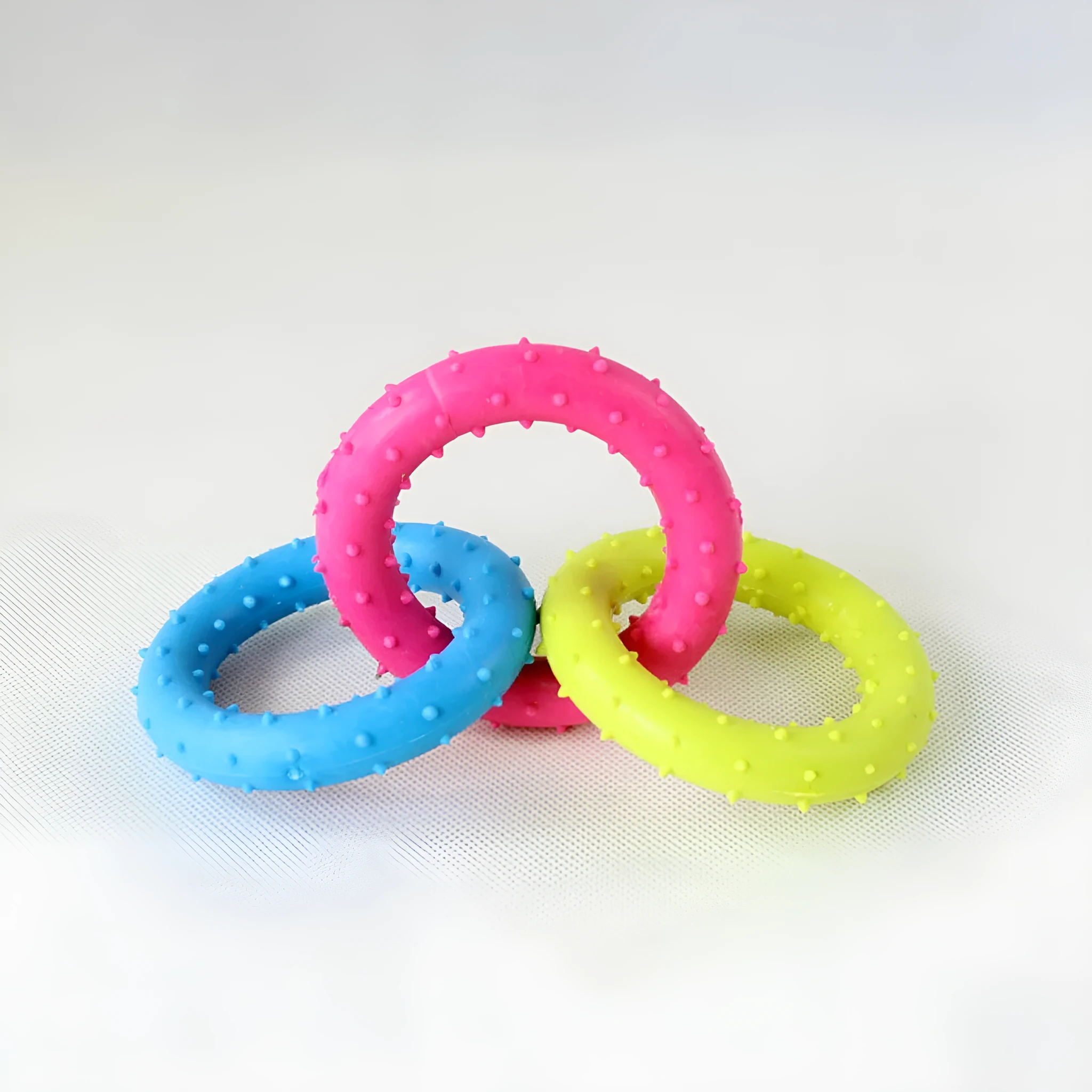
Designed specifically for dogs who exhibit strong chewing behaviour, this molar toy addresses the common issue of ordinary pet toys being quickly destroyed by determined gnawers. Made from TPR (Thermoplastic Rubber), it offers a flexible yet resistant surface that can withstand sustained biting pressure. The three linked chain design provides multiple contact points for canine teeth, potentially helping to clean teeth through the mechanical action of chewing. Unlike plush or softer rubber toys that may shred quickly, this construction focuses on durability for extended chewing sessions.
Features and Construction

This toy centres around practical durability rather than interactive complexity, with simple but purposeful design elements that support its chewing function.
Material and Build
The entire toy utilises TPR (Thermoplastic Rubber), a material known for its flexibility and resistance to tearing. Unlike completely rigid plastics or natural chews that may splinter, TPR offers some give under pressure while maintaining structural integrity. This elasticity may help reduce the risk of dental damage from overly hard surfaces while still providing satisfying resistance for determined chewers. The material's smooth surface lacks crevices where bacteria could accumulate easily.
Size and Practical Fit
Without specific measurements provided, the toy's dimensions cannot be precisely detailed. However, the three-link chain construction suggests a substantial chewing surface area that accommodates different gripping positions. The linked design likely creates varied thicknesses along the toy's length, allowing dogs to choose between thinner chain sections for front teeth and thicker connection points for molar work. This variation may suit different sized dogs, though supervision remains essential to ensure appropriate sizing for individual pets.
Uses and Placement
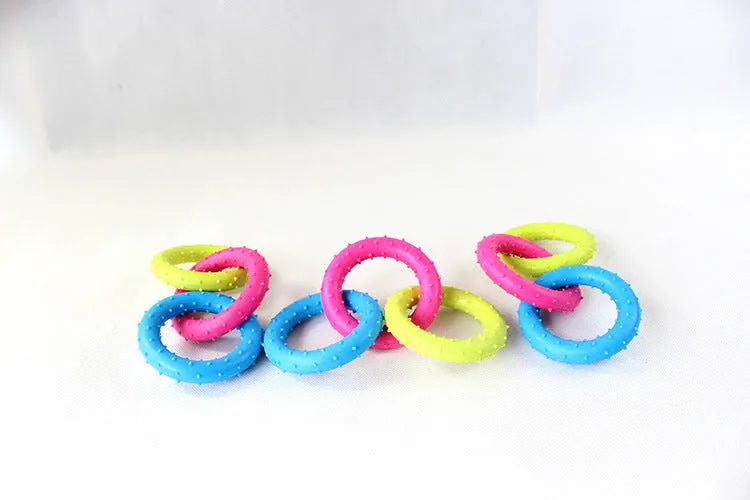
The toy serves primarily as a dedicated chewing object rather than a fetch or interactive play item, with applications both in professional settings and home environments.
Event or Professional Use
In professional contexts like kennels, day-care facilities, or veterinary boarding, durable chewing toys help manage stress-related chewing behaviour during confinement. The bite-resistant nature reduces replacement frequency and potential ingestion hazards from destroyed toys. Trainers might utilise such toys during crate training or separation anxiety protocols, providing an acceptable outlet for natural chewing instincts that might otherwise be directed at inappropriate objects.
Everyday Home Use
For household pets, this toy offers a safer alternative to furniture legs, shoes, or other household items that may attract chewers. Its durability makes it suitable for extended unsupervised periods when owners are occupied or away from home, though initial supervision remains recommended. The simple design without small removable parts reduces choking hazards compared to more complex interactive toys, making it appropriate for solo chewing sessions.
Benefits and Buying Value
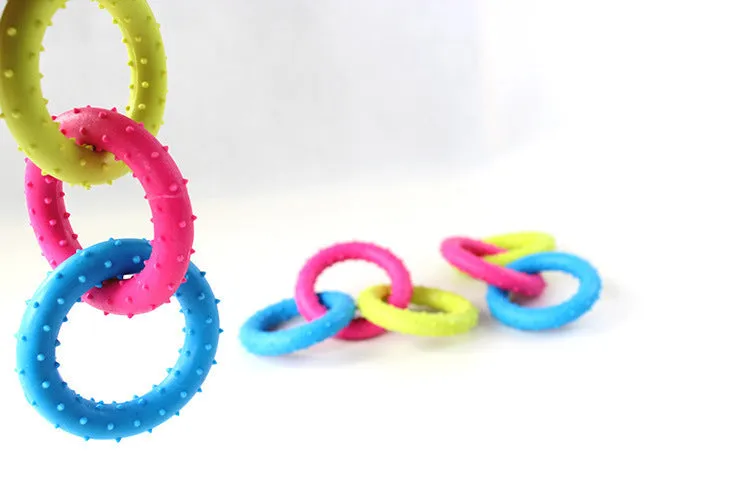
The practical advantages centre around durability, dental benefits, and cost-effectiveness through extended usability rather than complex features or novelty appeal.
Reuse and Low Maintenance
TPR material typically resists absorbing saliva and odours better than porous natural chews or fabrics, allowing for easy cleaning with mild soap and water. The solid construction without internal compartments avoids the issue of treat residue accumulation that can occur with hollow toys. This low-maintenance aspect supports regular reuse without extensive cleaning procedures, potentially extending the toy's service life through simple hygiene practices.
Why Choose This Product
This toy suits owners specifically seeking a durable chewing solution rather than an interactive play item. Its value lies in resisting destruction by determined chewers, potentially saving replacement costs over time. The TPR material offers a middle ground between completely rigid plastics and soft rubbers, providing satisfying resistance without extreme hardness that might risk dental fractures. For dogs who chew primarily with their molars rather than shredding with front teeth, the design focuses on that specific chewing style.