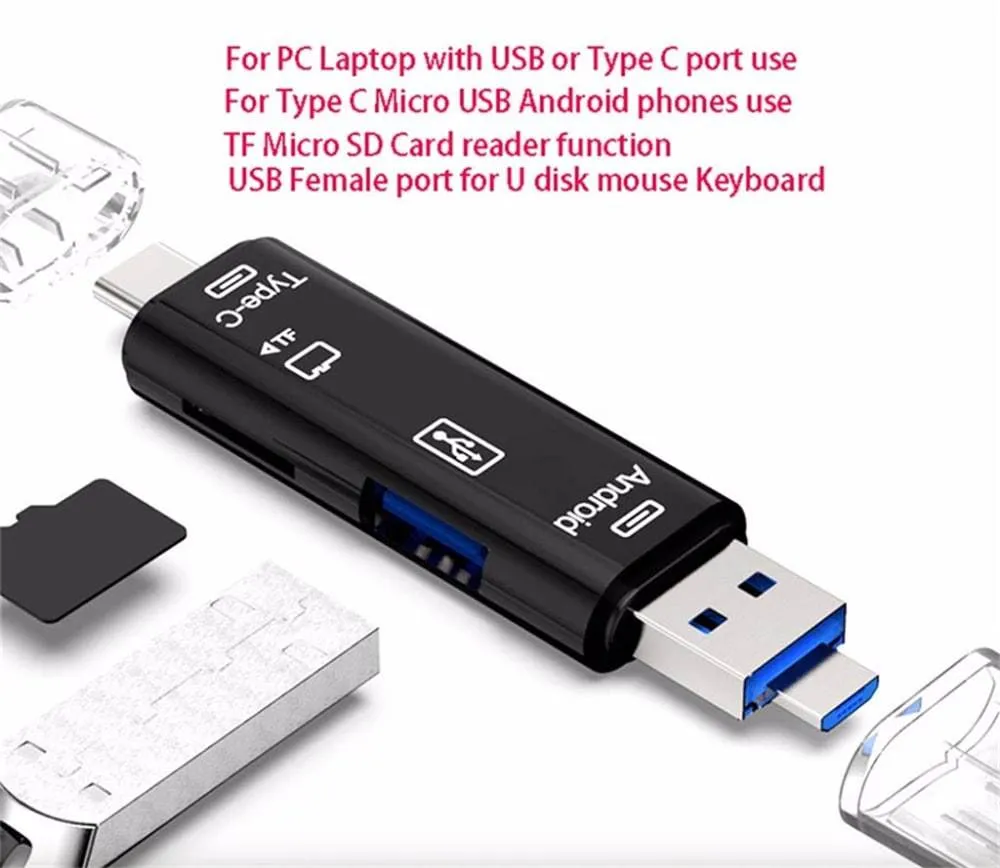
USB Type-C and Micro USB OTG Hub Adapter with TF Card Reader transfers files between smartphones, tablets, MacBooks and 128GB microSD cards via USB 3.1 Type-C or Micro USB input in black or white colour


USB Type-C and Micro USB OTG Hub Adapter with TF Card Reader transfers files between smartphones, tablets, MacBooks and 128GB microSD cards via USB 3.1 Type-C or Micro USB input in black or white colour
USB Type-C and Micro USB OTG Hub Adapter with TF Card Reader for smartphones and tablets

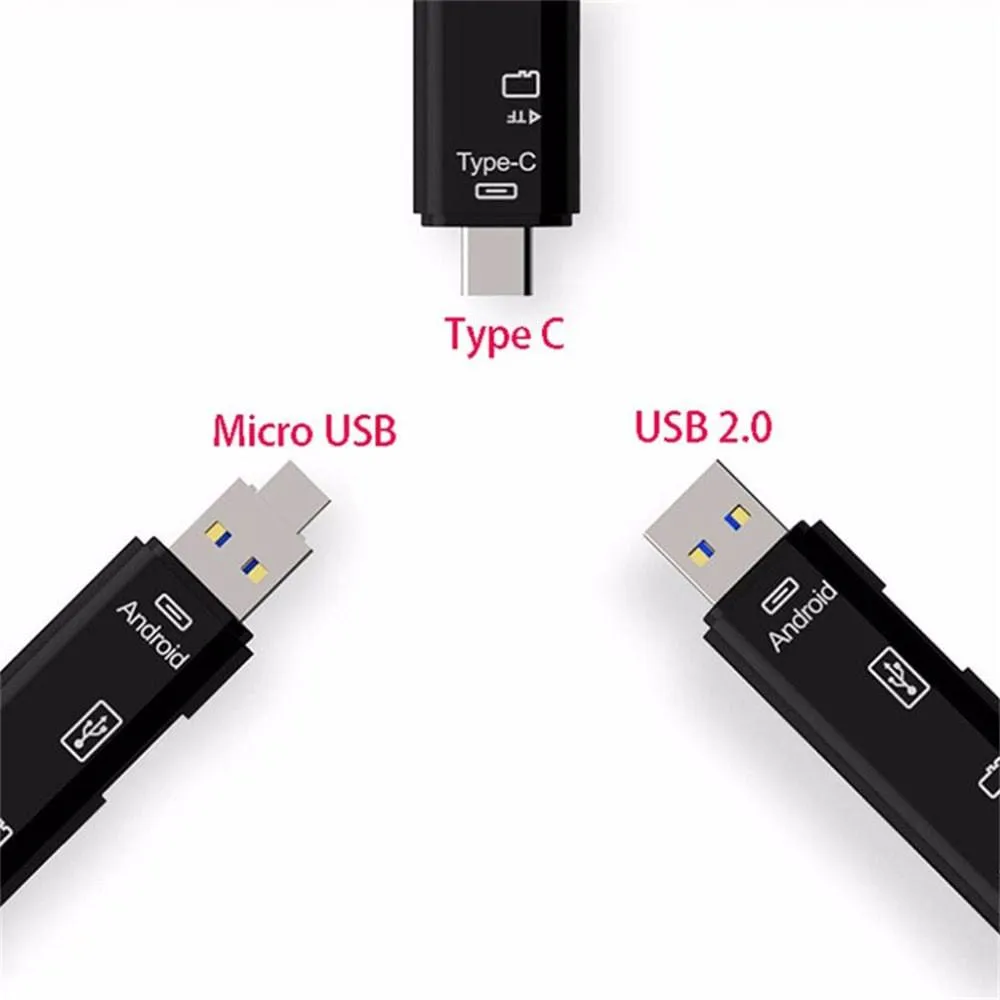
This practical adapter hub addresses a common connectivity challenge in today's mixed-device environment. With smartphones and tablets increasingly omitting dedicated memory card slots, this device provides a straightforward solution for accessing microSD card content directly on your mobile device. Whether you're a photographer needing to review images, a professional transferring documents between devices, or simply someone who wants expanded storage options, this adapter creates a bridge between your device's charging port and external storage media. Its dual-input design recognises that not all devices have migrated to USB Type-C, maintaining compatibility with both modern and legacy Micro USB ports found on many tablets and older smartphones.
Features and Construction
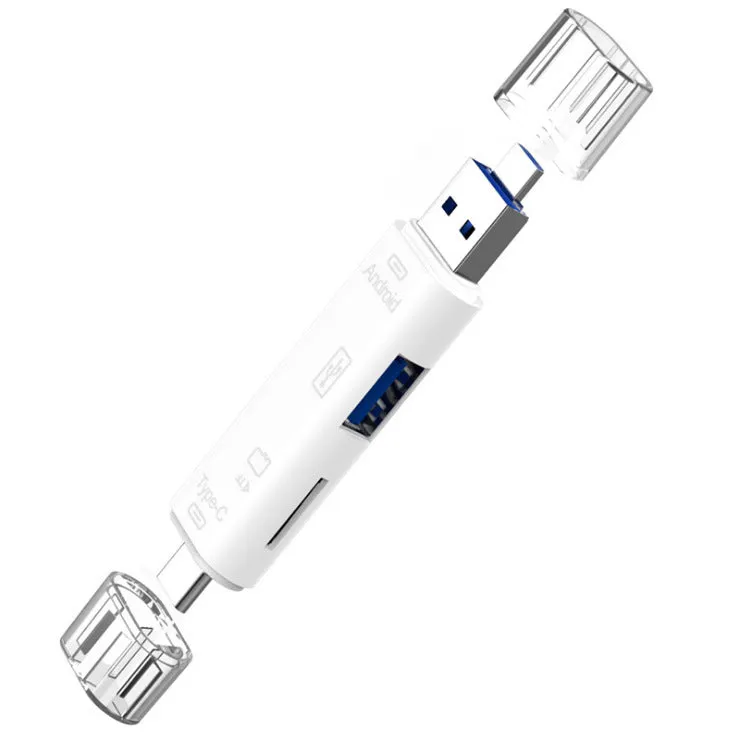
This compact adapter combines multiple connectivity functions into a single, portable unit designed for mobile use. Rather than carrying separate adapters for different tasks, this integrated solution handles file transfers, peripheral connections, and card reading through one device. The hub's design prioritises functionality that mobile users actually need when away from their computers, focusing on storage expansion and basic peripheral support rather than attempting to replicate desktop-level connectivity.
Material and Build
The adapter features a plastic housing that keeps the overall weight minimal for portable use. The connector interfaces utilise metal components to ensure reliable electrical contact and physical durability through repeated insertion cycles. This material choice represents a practical balance between cost-effectiveness for an accessory product and the need for reliable performance. The compact form factor is designed not to obstruct adjacent ports or create excessive bulk when connected to smartphones or tablets.
Size and Practical Fit
While specific dimensions aren't provided, the adapter's design is clearly intended for mobile use cases where space and portability matter. The form factor considers typical smartphone and tablet usage scenarios where the adapter shouldn't interfere with device handling or case compatibility. The orientation of ports is likely designed to minimise strain on device connections, though users should still exercise reasonable care when connected peripherals add weight or leverage. For optimal performance, ensure your connected devices support USB On-The-Go (OTG) functionality, which most modern Android devices do.
Uses and Placement
This adapter finds its primary utility in bridging the gap between mobile devices and various forms of external storage. Its design specifically targets scenarios where traditional computers aren't available or convenient, enabling direct file management from smartphones and tablets. Whether you're traveling, working remotely, or simply prefer mobile-centric workflows, this device expands what your smartphone or tablet can accomplish regarding file transfer and storage management.
Event or Professional Use
For photographers and videographers capturing content on cameras that use microSD cards, this adapter enables immediate review and sharing of media directly from the field. Event professionals can transfer files between devices without returning to a computer station, while journalists might use it to backup important files from cameras to cloud services via their smartphones. The ability to connect USB flash drives adds another layer of utility for transferring presentations, documents, or software between different systems when a full computer isn't available.
Everyday Home Use
In domestic settings, this adapter simplifies tasks like transferring photos from older cameras to smartphones for editing or sharing. Families can use it to access files stored on various memory cards without needing to locate specific card readers or computers with compatible slots. Students might find it useful for moving assignments between devices, while hobbyists could employ it for accessing project files stored on different media. The adapter also enables connecting basic USB peripherals like keyboards to tablets for extended typing sessions.
Benefits and Buying Value
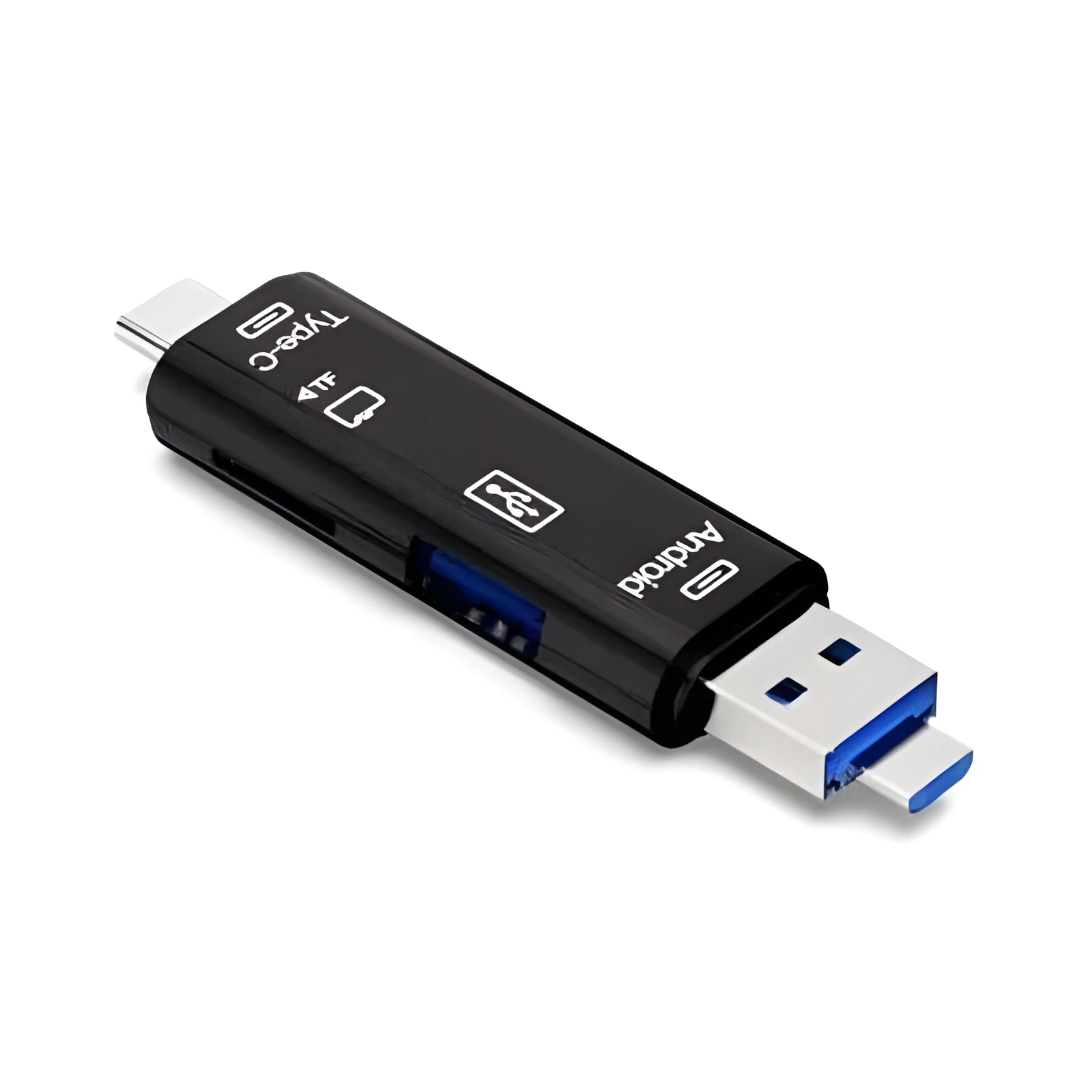
The core value of this adapter lies in its multifunction approach to mobile connectivity challenges. By combining three distinct functions—card reading, USB connectivity, and dual-device compatibility—it reduces the number of separate adapters you need to carry or purchase. This consolidation is particularly valuable for users who regularly work across different device ecosystems or need to access files in varied locations without computer access.
Reuse and Low Maintenance
This adapter requires minimal maintenance beyond keeping the connector contacts clean and free from debris. Its passive design means there are no batteries to replace or internal components that degrade with regular use. The device can be reused across multiple devices and scenarios, working equally well with smartphones, tablets, and laptops that have compatible ports. This longevity makes it a practical accessory that remains useful even as you upgrade individual devices within your technology ecosystem.
Why Choose This Product
This adapter stands out through its specific combination of USB 3.1 Type-C and Micro USB input options, which isn't always available in single adapters. Many products force you to choose one or the other, but this device accommodates both current USB-C devices and older Micro USB equipment. The inclusion of a card reader alongside standard USB connectivity means you're getting multiple solutions in one package. For users with mixed device collections or those transitioning between port standards, this adapter provides continuity and avoids obsolescence as you gradually upgrade your technology.