Three-in-one type-C USB Android mobile phone endoscope with 5.5mm probe diameter 640x480 resolution and 1m 1.5m 2m 3.5m 5m cable length options in black


Three-in-one type-C USB Android mobile phone endoscope with 5.5mm probe diameter 640x480 resolution and 1m 1.5m 2m 3.5m 5m cable length options in black
Three-in-one Android phone endoscope with 5.5 mm probe and 640x480 resolution
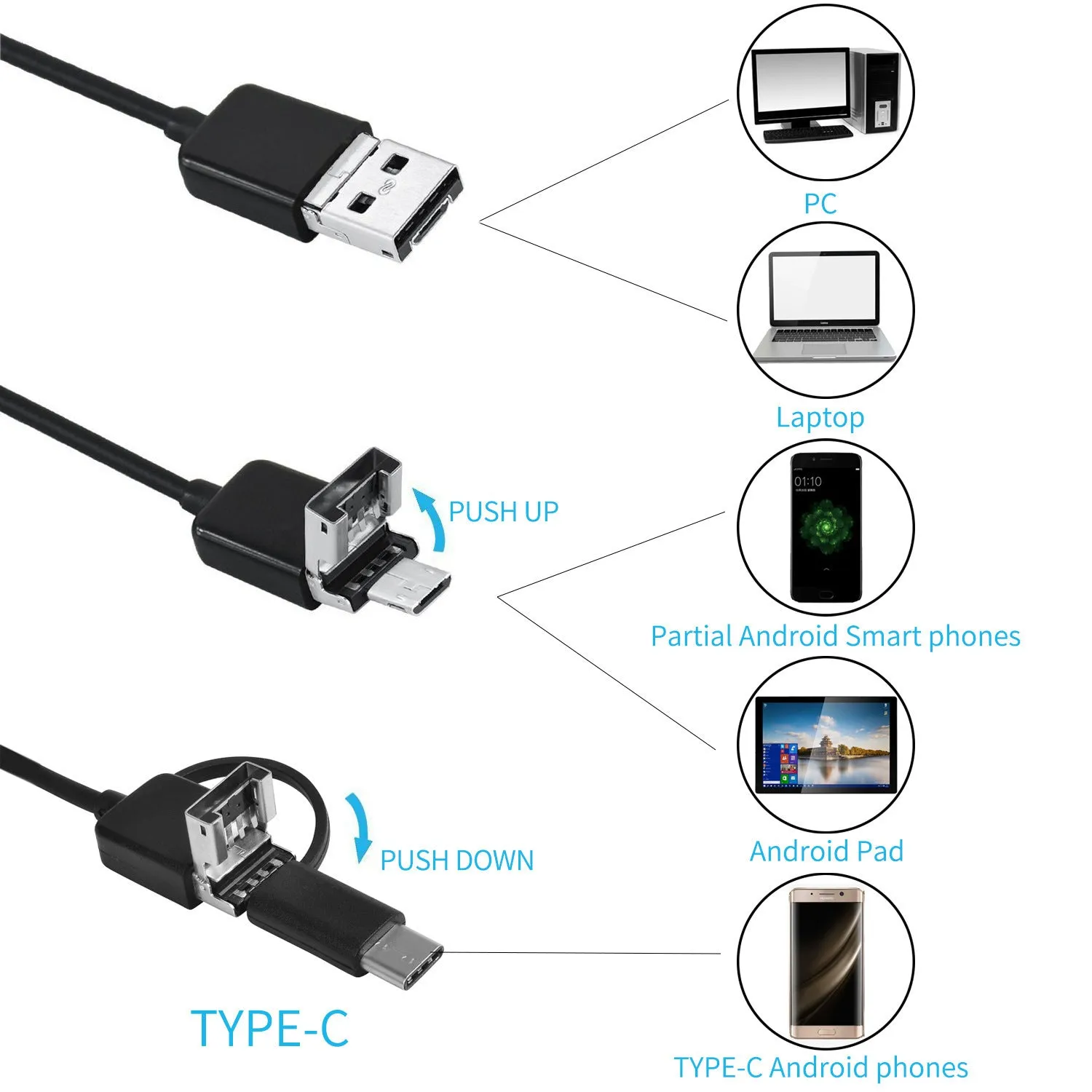
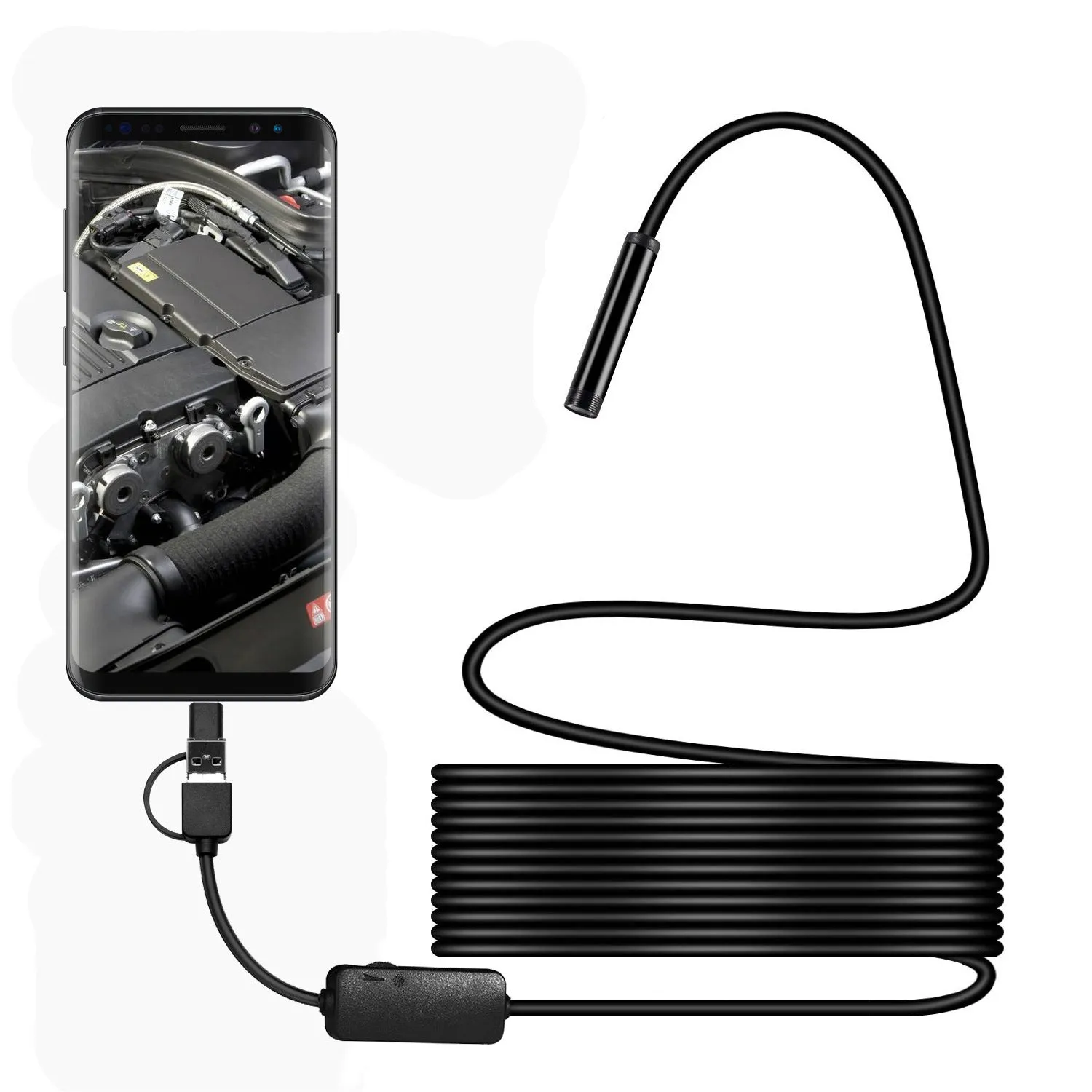
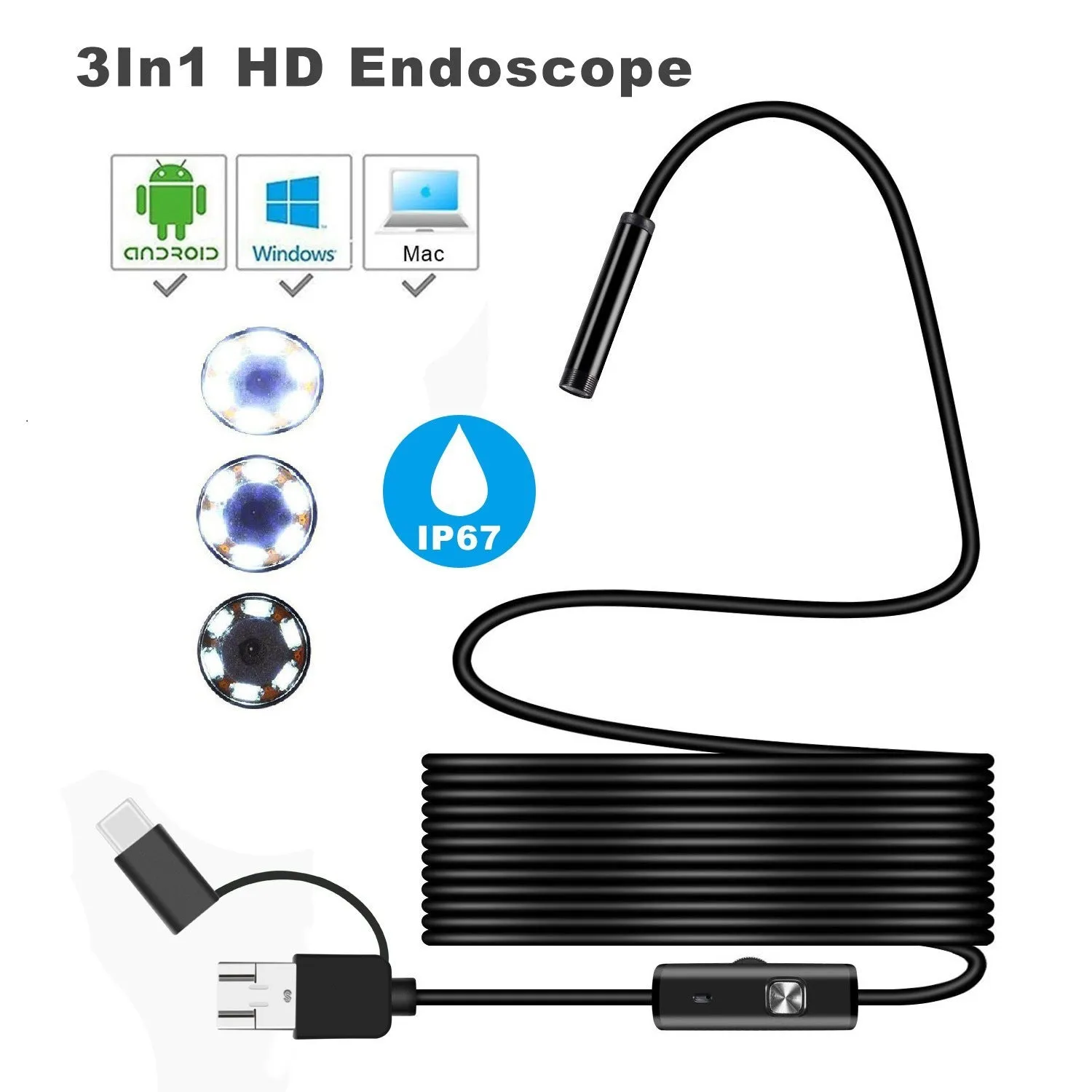
This three-in-one endoscope turns your Android phone into a compact inspection tool, letting you see into engine compartments, behind walls, and inside plumbing without dismantling anything. The 5.5 mm diameter probe slides into gaps that are too small for fingers or larger cameras, while the 640x480 resolution gives a workable view of blockages, cracks, or loose components. With both Micro USB and type-C connectors built into a single unit, you can connect to a wide range of Android devices without adapter cables. Cable lengths from 1 to 5 metres give you flexibility depending on how far the inspection point is from the phone. Whether you are a maintenance engineer, an electrician, or a home DIYer, this endoscope provides a practical way to investigate hidden areas quickly.
Features and Construction
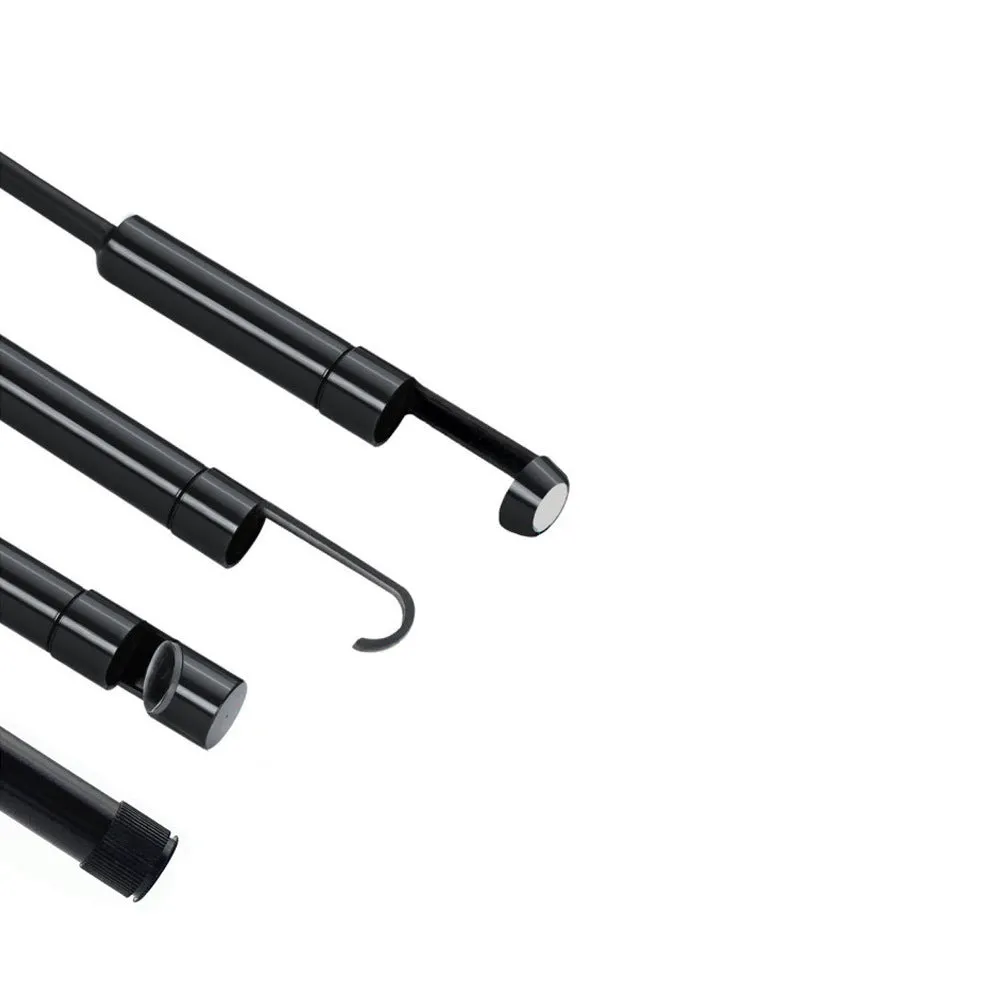
The endoscope is designed around a common Android-phone inspection need: a small probe that delivers a usable image, with connector choice built in. The construction focuses on practical reach and compatibility rather than added complexity.
Material and Build
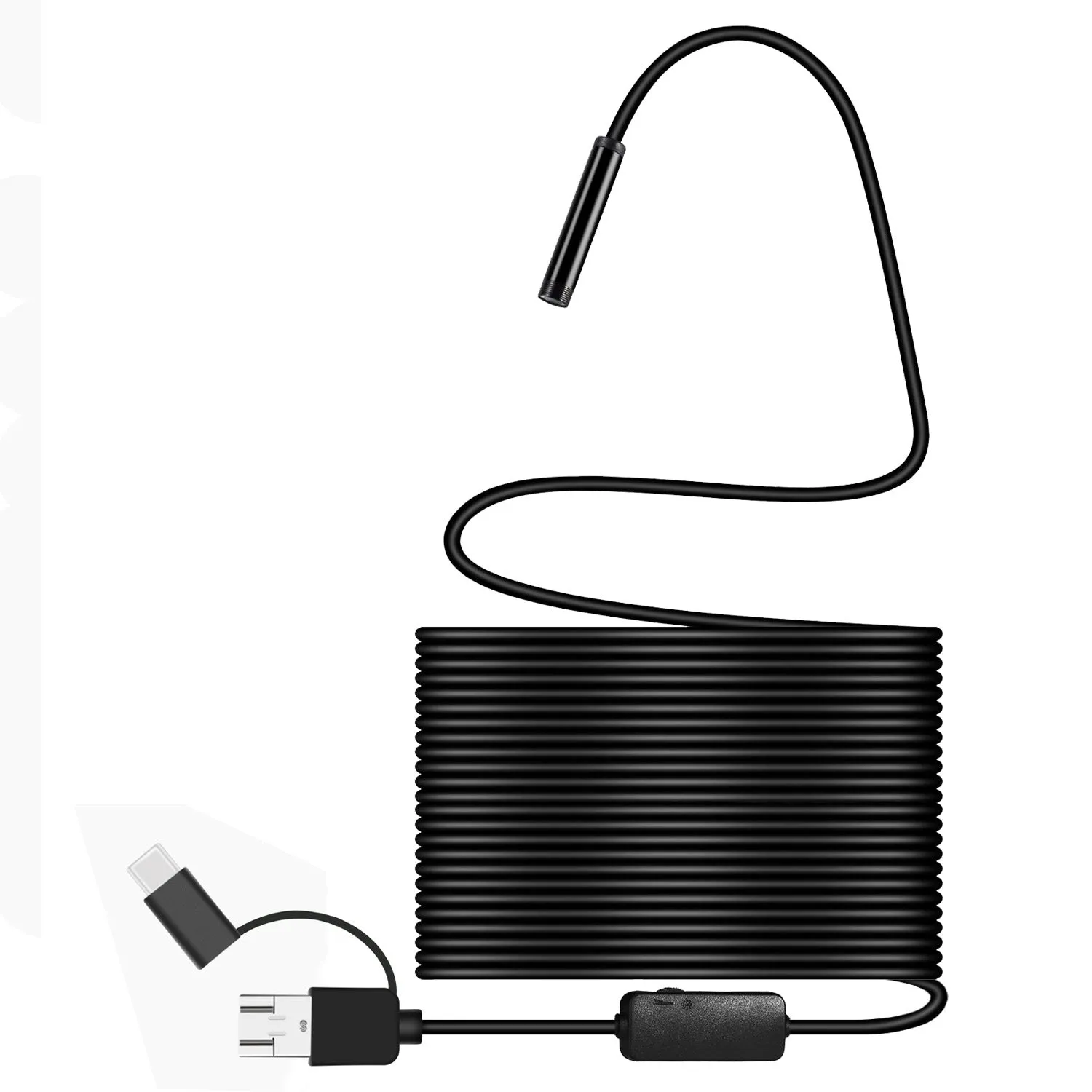
The probe housing is built to a 5.5 mm diameter, allowing it to pass through small openings such as spark plug holes, pipe inlets, and wall cavities. The cable is flexible enough to follow bends in ducting or pipework, and the key insert ring head helps you guide the probe tip into the area of interest. The body colour is black for all options.
Size and Practical Fit
The cable is available in five lengths: 1 metre, 1.5 metres, 2 metres, 3.5 metres, and 5 metres. Choose the shorter lengths for work on a workbench or vehicle engine bay, and the longer cables for drop ceilings, cavity walls, or drain runs. The 5.5 mm diameter is consistent across all length options, so you do not lose access when using the longer cable.
Uses and Placement
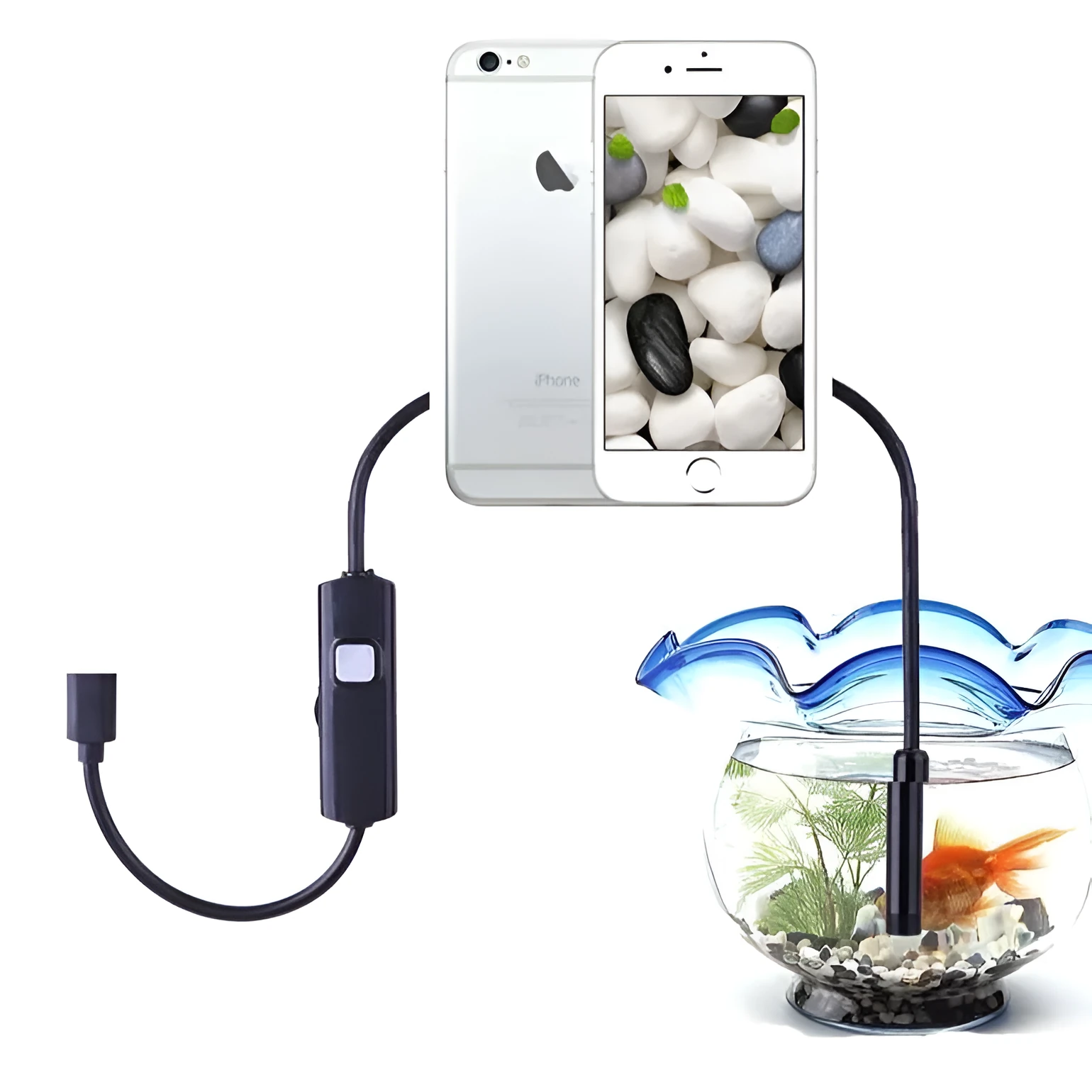
The three-in-one endoscope fits into a range of inspection tasks where portability and quick setup matter. Because it draws power and display from your phone, there is no control box to carry and no separate battery to charge.
Event or Professional Use
Maintenance engineers and electricians can use the endoscope to inspect wiring looms, conduit interiors, or motor compartments without stripping covers unnecessarily. The 640x480 resolution is sufficient to spot loose connections, corrosion, or foreign objects. The Micro USB and type-C connectors cover most recent Android devices, so the same tool works across different phones on site.
Everyday Home Use
At home, the endoscope helps with checking behind kitchen units for leaks, inspecting the interior of a tumble dryer duct, or looking inside a wall cavity before drilling. The key insert ring head lets you rotate or nudge the probe tip into position. Because you are using your own phone screen, you can take still photos or record video of what you see (using compatible apps) for later reference.
Benefits and Buying Value
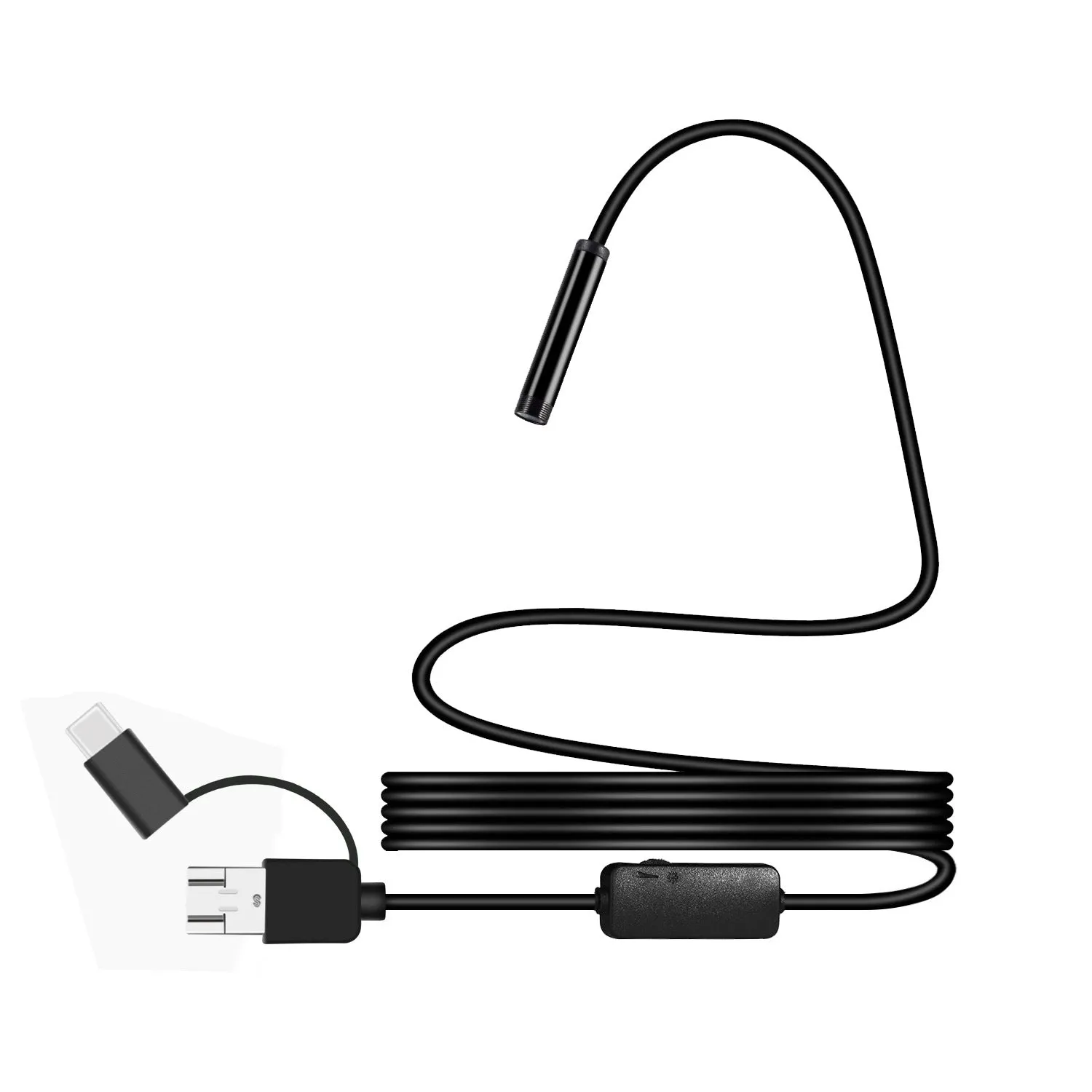
For a single-purpose tool that fits in a pocket, this endoscope offers a versatile inspection solution without needing additional modules or adapters. The choice of cable lengths means you are not paying for more cable than you need.
Reuse and Low Maintenance
The endoscope has no moving parts, filters, or consumable tips, so it stays ready for use between inspections. Simply wipe the probe clean after use in dusty or greasy areas. The USB interface draws power from the phone, so there are no batteries to replace or recharge.
Why Choose This Product
The three-in-one interface is the standout feature: both Micro USB and type-C in one unit means one endoscope covers multiple Android devices. Combined with the 5.5 mm probe diameter and the range of cable lengths, you get a flexible inspection tool that matches the specific reach and connector requirements of your work. The 640x480 resolution gives a clear enough view for the majority of practical diagnostics, without the cost or complexity of higher-spec cameras.