
STM32F103C8T6 ARM Cortex-M3 core board microcontroller development board module with 72MHz CPU frequency, 64KB flash, 20KB SRAM, SWD debug interface, Mini USB power and communication, 5.3cm x 2.2cm size for embedded system development


STM32F103C8T6 ARM Cortex-M3 core board microcontroller development board module with 72MHz CPU frequency, 64KB flash, 20KB SRAM, SWD debug interface, Mini USB power and communication, 5.3cm x 2.2cm size for embedded system development
STM32F103C8T6 ARM Cortex-M3 Development Board with 72MHz CPU, 64KB Flash and Mini USB Interface
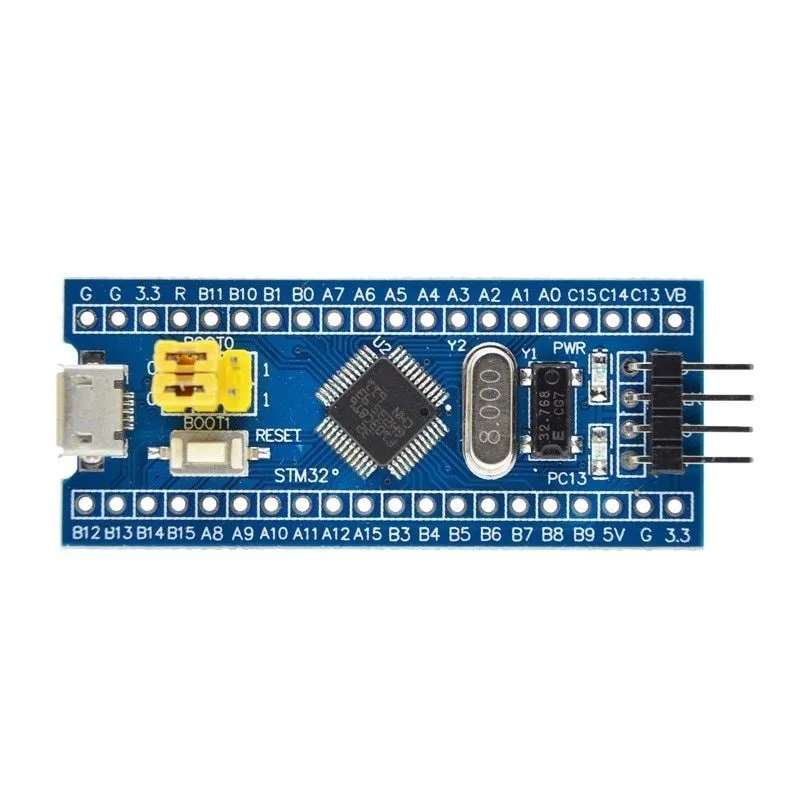
This STM32F103C8T6 minimum system board provides engineers, students, and hobbyists with a fully functional development platform centred around the popular ARM Cortex-M3 microcontroller. Measuring just 5.3cm by 2.2cm, the compact module includes all essential components required to start embedded programming immediately, eliminating the need for peripheral circuitry design. The board features a dedicated Mini USB port that serves dual purposes: supplying regulated 5V power to the onboard voltage regulator and providing a direct USB communication channel for serial data transfer. With 64KB of internal flash memory for program storage and 20KB of SRAM for runtime data, the STM32F103C8T6 offers sufficient capacity for most embedded applications while operating at a maximum CPU frequency of 72MHz. The exposed pin headers grant access to all microcontroller I/O lines, facilitating straightforward connection to sensors, displays, actuators, or custom expansion boards without requiring soldering to the main chip itself.
Features and Construction
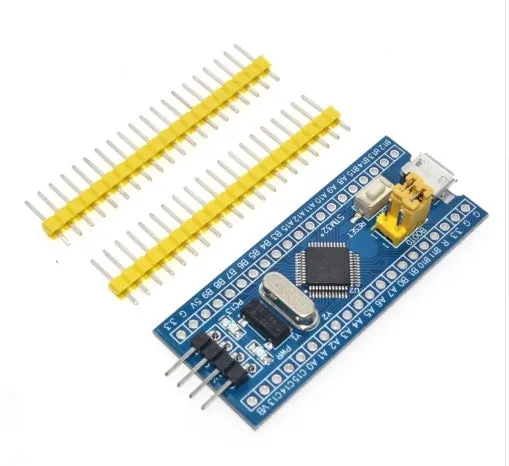
This development module incorporates several key hardware elements designed to simplify the prototyping process for embedded systems based on the STM32 microcontroller family. The board's architecture minimises external component requirements while maintaining flexibility for various application scenarios, from simple GPIO control to complex real-time processing tasks.
Material and Build
The board utilises standard FR4 laminate material with a solder mask layer protecting the copper traces, providing a durable foundation for the surface-mount components. The STM32F103C8T6 microcontroller is factory-soldered in its LQFP48 package alongside supporting passive components including decoupling capacitors and current-limiting resistors. A USB Mini-B connector mounted through the PCB offers robust mechanical connection for both power delivery and data communication, while standard 2.54mm pitch male pin headers allow reliable interconnection with external circuitry. The assembly quality ensures stable electrical performance across the specified 2.0-3.6V operating range without requiring additional signal conditioning.
Size and Practical Fit
With dimensions of 5.3cm in length and 2.2cm in width, the development board occupies minimal workspace while providing full access to the microcontroller's capabilities. The compact footprint allows direct integration into prototype enclosures or mounting on standard breadboards using the extended pin headers. The board's layout positions the Mini USB connector along one edge for straightforward cable routing, while the SWD debug interface pins are grouped separately from the general-purpose I/O to prevent connection errors during programming sessions. This physical configuration supports both benchtop development and final product integration stages without requiring board redesign.
Uses and Placement
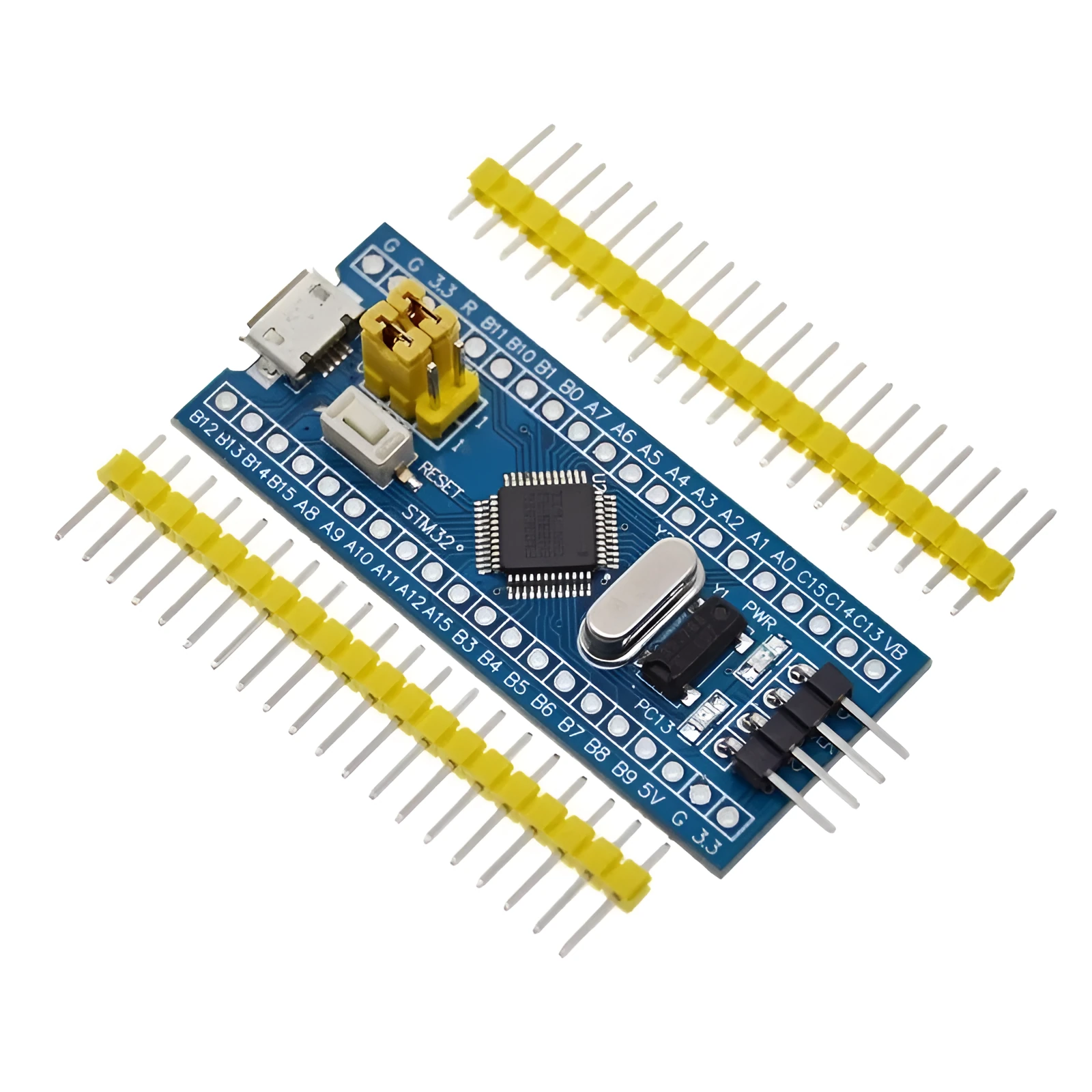
The STM32F103C8T6 development board serves multiple roles across educational, professional, and hobbyist environments, adapting to various complexity levels through its exposed interfaces and documented architecture. Its compatibility with common development tools and standard communication protocols makes it suitable for rapid iteration during product development cycles.
Event or Professional Use
In professional engineering environments, this board functions as a validation platform for firmware development before custom PCB fabrication, allowing software teams to test algorithms and drivers independently from hardware design schedules. The SWD debug interface supports real-time debugging with industry-standard tools like ST-Link programmers, enabling efficient fault diagnosis and code optimisation. The board's 72MHz processing capability handles real-time control applications in industrial automation, while the 64KB flash capacity accommodates moderately complex program code with room for future feature expansion. Engineers can prototype sensor interfaces, motor controllers, or communication gateways using the available I/O pins before committing to production hardware designs.
Everyday Home Use
For electronics enthusiasts and students, the development board offers an accessible entry point into ARM microcontroller programming without requiring surface-mount soldering equipment or intricate knowledge of power supply design. The included Mini USB interface allows powering directly from computers, phone chargers, or power banks, eliminating the need for specialised laboratory power supplies. Hobbyists can create home automation controllers, robotics brains, or IoT sensor nodes using freely available development environments like STM32CubeIDE or PlatformIO. The board's standard pin headers interface seamlessly with common breadboard components and pre-made sensor modules, reducing the learning curve for those transitioning from simpler 8-bit microcontroller platforms.
Benefits and Buying Value
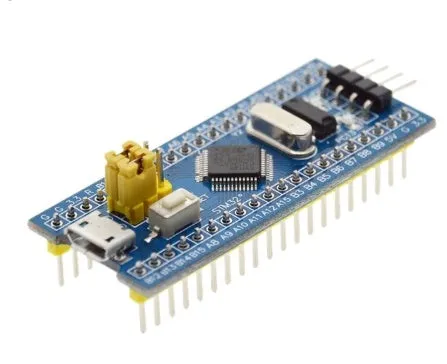
This STM32 development board delivers practical advantages through its integrated design, reducing both initial setup time and long-term project complexity compared to discrete component approaches. The combination of essential peripherals on a single board creates a reliable foundation for various embedded applications.
Reuse and Low Maintenance
The board's durable FR4 construction and industrial-grade components support repeated programming cycles and physical handling throughout extended development periods. The SWD interface allows countless firmware updates without wear on the microcontroller's flash memory, while the voltage regulation circuitry protects against minor power supply fluctuations. The exposed pin headers maintain electrical connectivity through multiple insertion cycles with compatible female connectors, and the board's simple design contains no moving parts or consumable elements requiring periodic replacement. This durability makes the board suitable for classroom environments or shared lab spaces where multiple users might handle the same unit over time.
Why Choose This Product
This development board distinguishes itself through complete integration of the STM32F103C8T6 microcontroller with its essential support circuitry in a compact, ready-to-use format. The inclusion of both Mini USB power and communication capabilities removes the need for separate USB-to-serial adapters or external voltage regulators, reducing component count and potential failure points in prototyping setups. The documented 72MHz CPU frequency and specific memory configuration (64KB flash, 20KB SRAM) provide concrete performance parameters for project planning, unlike generic development boards with unspecified capabilities. The board's standard 2.54mm pin spacing ensures compatibility with existing prototype accessories and test equipment, while its 5.3cm by 2.2cm dimensions fit common project enclosures without modification.