Digital Voltage Tester Pen with High-Sensitivity Zero Line Detection, 12V to 300V AC/DC Range, Level 1 Accuracy, LCD Display, Plastic Housing for Electrical Safety Testing


Digital Voltage Tester Pen with High-Sensitivity Zero Line Detection, 12V to 300V AC/DC Range, Level 1 Accuracy, LCD Display, Plastic Housing for Electrical Safety Testing
Digital Voltage Tester Pen with LCD Display for 12V-300V AC/DC Circuit Testing
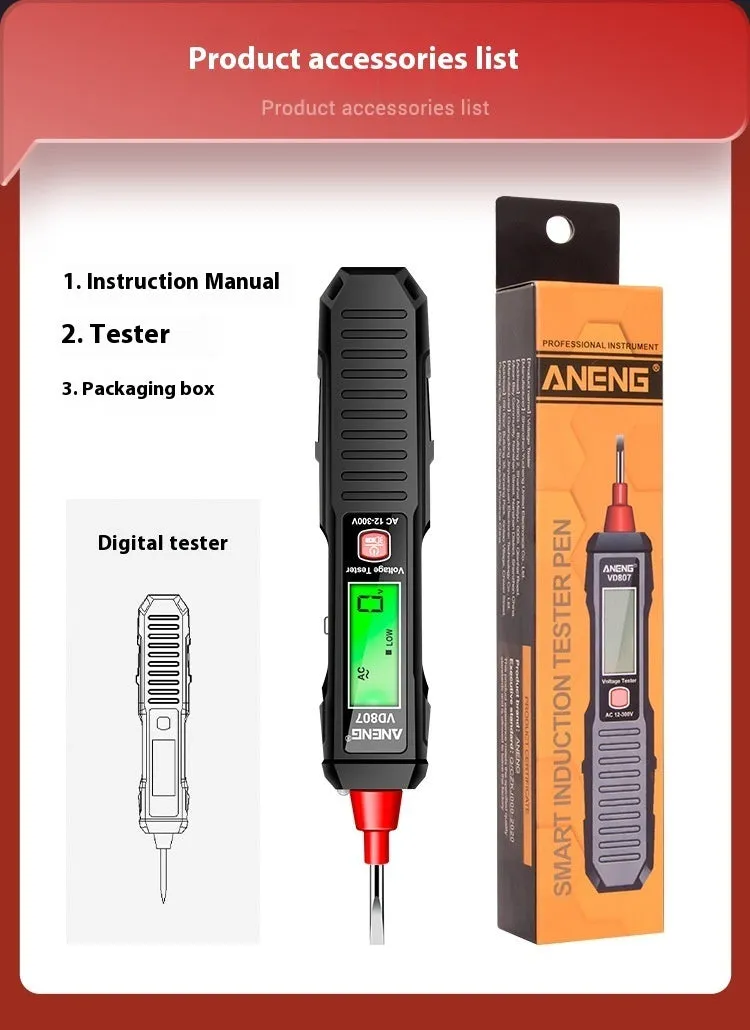
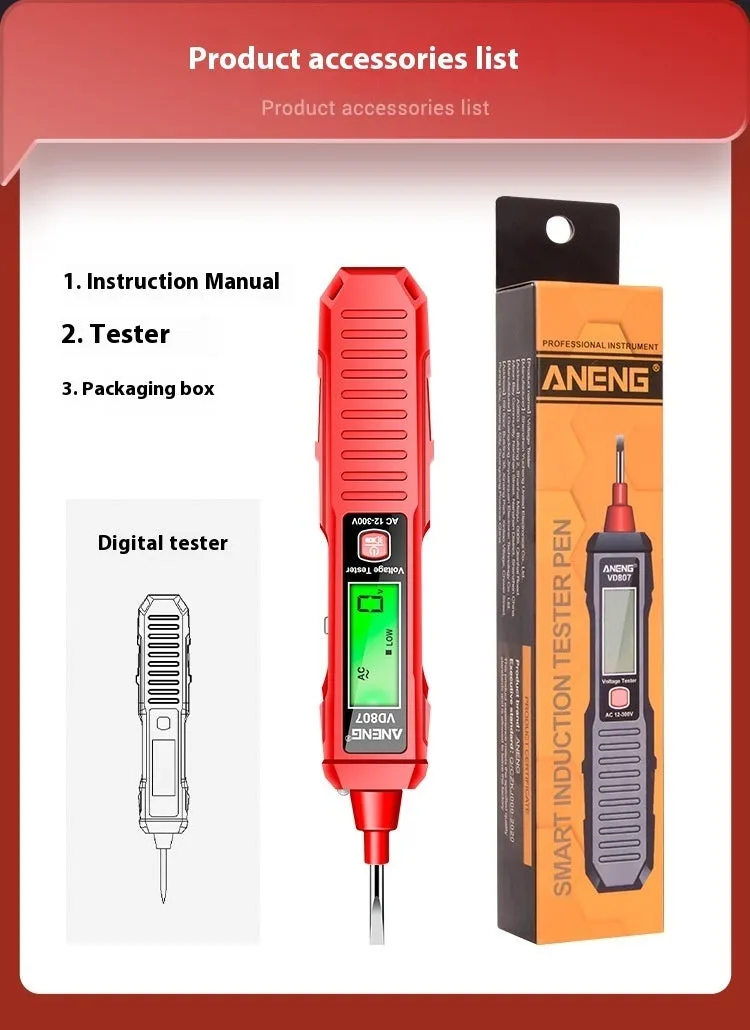
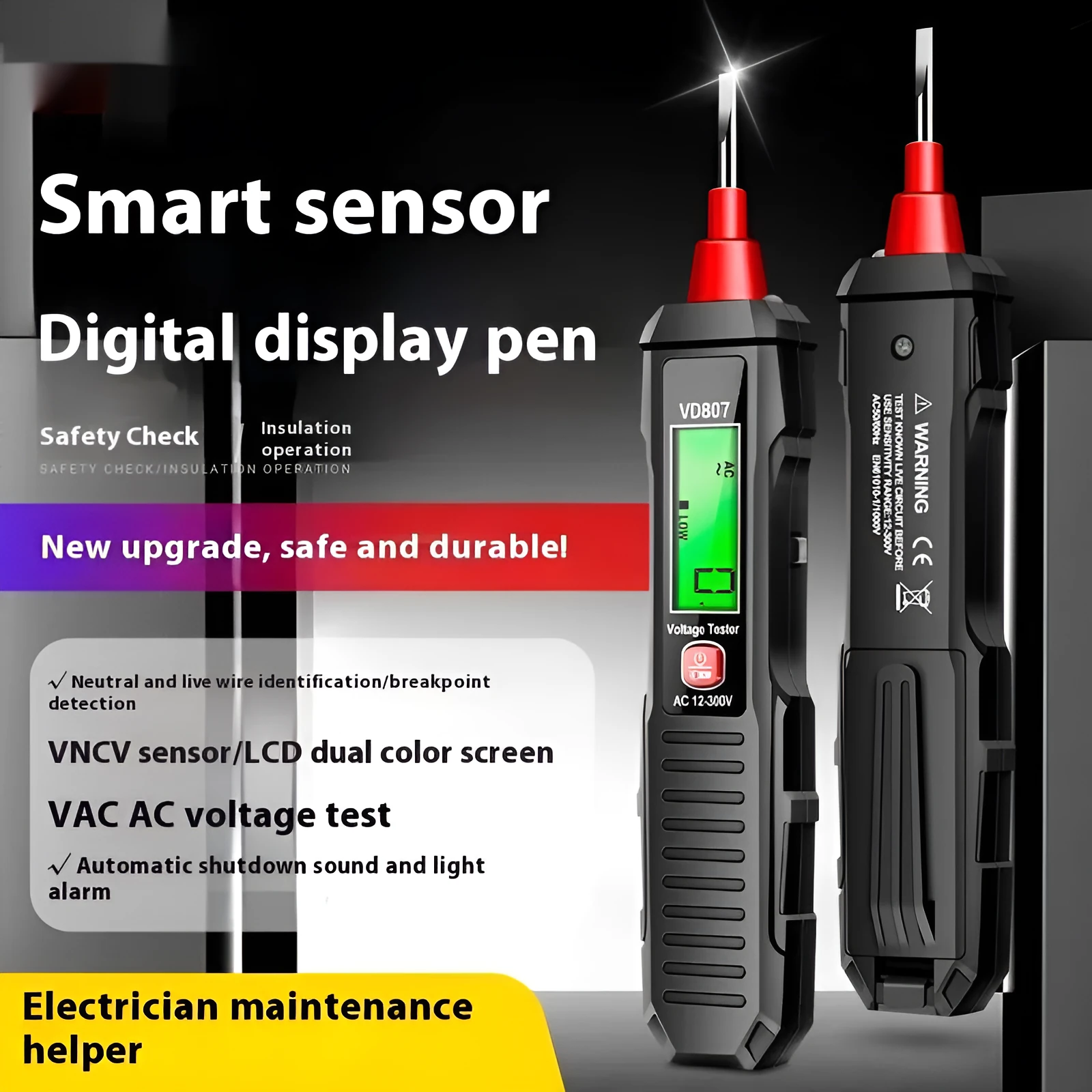
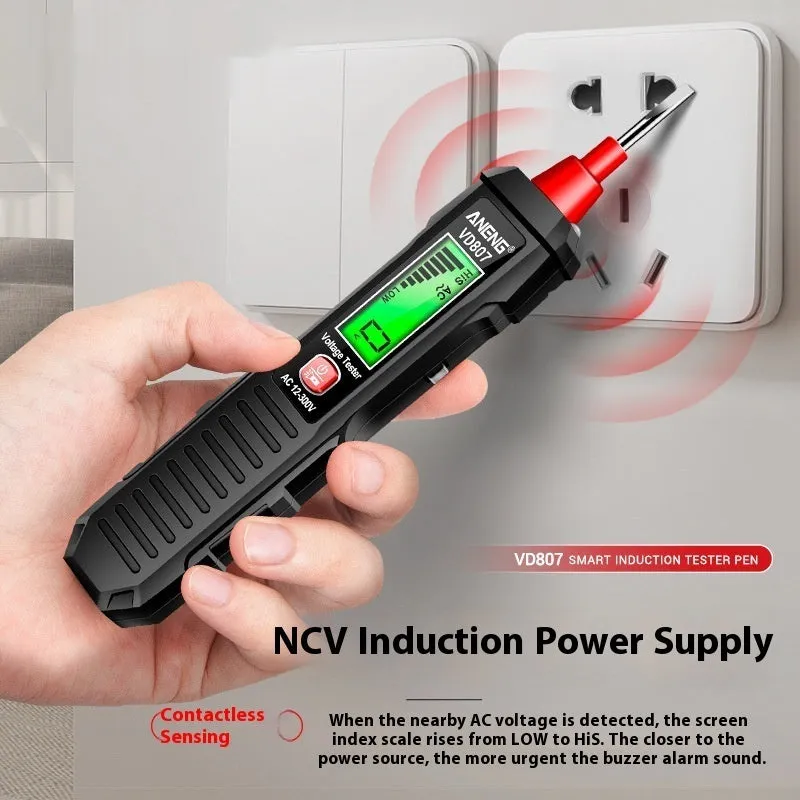
This digital voltage tester pen is a fundamental tool for anyone needing to verify the presence and approximate level of voltage in an electrical circuit safely. Designed for non-contact operation, it allows users to check if a wire, socket, or terminal is live without the risks associated with direct probing using multimeter leads. Its core function is high-sensitivity zero line detection, helping to distinguish between live and neutral conductors—a critical step in many electrical installation and troubleshooting tasks. With a measurement range spanning from 12V to 300V, it is suited for testing everything from low-voltage lighting and automotive systems up to standard UK mains voltage applications, providing a versatile first check for electricians, facilities maintenance staff, and competent DIYers.
Features and Construction
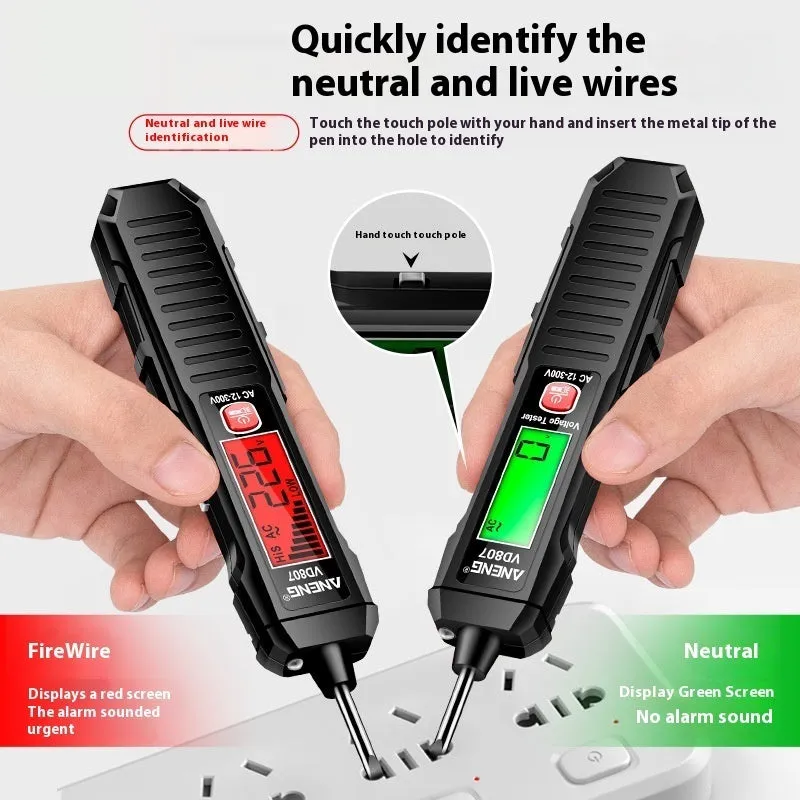
The tester combines essential electrical safety features with practical functionality for on-the-job use. Its design prioritises clear indication and straightforward operation, removing ambiguity from basic voltage checks.
Material and Build
The primary construction material is plastic, which forms the insulating housing of the pen. This material choice is deliberate and fundamental, as it provides the necessary dielectric barrier to protect the user from electrical shock during use. The plastic casing encloses the internal sensing circuitry and the LCD display, creating a robust, handheld tool designed for regular use in workshop, site, or home environments. The construction focuses on fulfilling the basic safety requirement of user insulation while housing the electronic components reliably.
Size and Practical Fit
The pen-style form factor is a key practical aspect, though specific dimensions are not detailed in the source material. This familiar format is designed for easy, one-handed operation, allowing the user to hold it like a writing pen to probe test points in confined spaces, such as behind sockets, within consumer units, or in electrical boxes. The compact nature implied by the 'pen' designation suggests it is easily portable, fitting into a tool belt, pocket, or toolkit without requiring significant space. This makes it a convenient always-to-hand device for quick safety checks before starting electrical work.
Uses and Placement
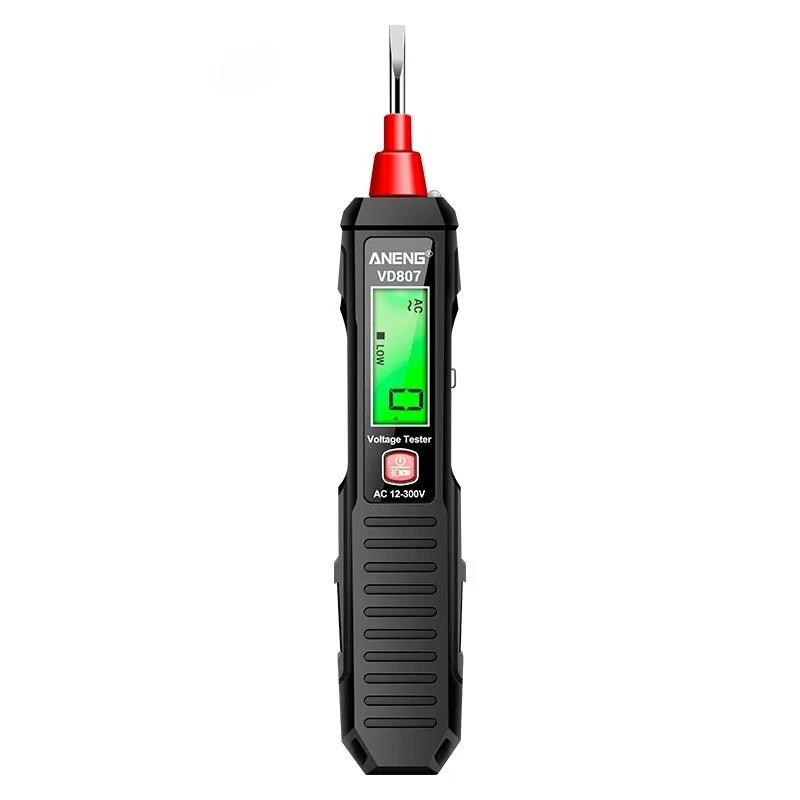
The tester's specified capabilities define its ideal applications, spanning professional, trade, and careful domestic use. It serves as a preliminary diagnostic tool rather than a precision measurement device.
Event or Professional Use
For professional electricians and maintenance engineers, this pen acts as a fast, initial safety device. Before working on a circuit, it can be used to confirm a circuit is dead (following safe isolation procedures) or to identify which specific conductor in a bundle is live. The high-sensitivity zero line detection is particularly useful when installing or repairing lighting circuits, socket outlets, or switches, where correctly identifying the neutral is crucial. The Level 1 accuracy indicates it provides a reliable indication for these standard verification tasks, supporting compliance with electrical safety regulations that require voltage testing.
Everyday Home Use
For the competent homeowner or DIY enthusiast, the tester offers a way to perform basic electrical checks with greater insight than a simple neon screwdriver. It can be used to troubleshoot why a lamp isn't working (checking for voltage at the bulb holder), verify if a socket is powered, or identify circuits at a fuse board. The LCD display, showing a voltage reading, provides more concrete information than a simple light, helping to distinguish between a full mains voltage presence and a potentially problematic induced voltage or low voltage. Its use can prevent the frustration of replacing a component only to find the issue was a lack of power.
Benefits and Buying Value
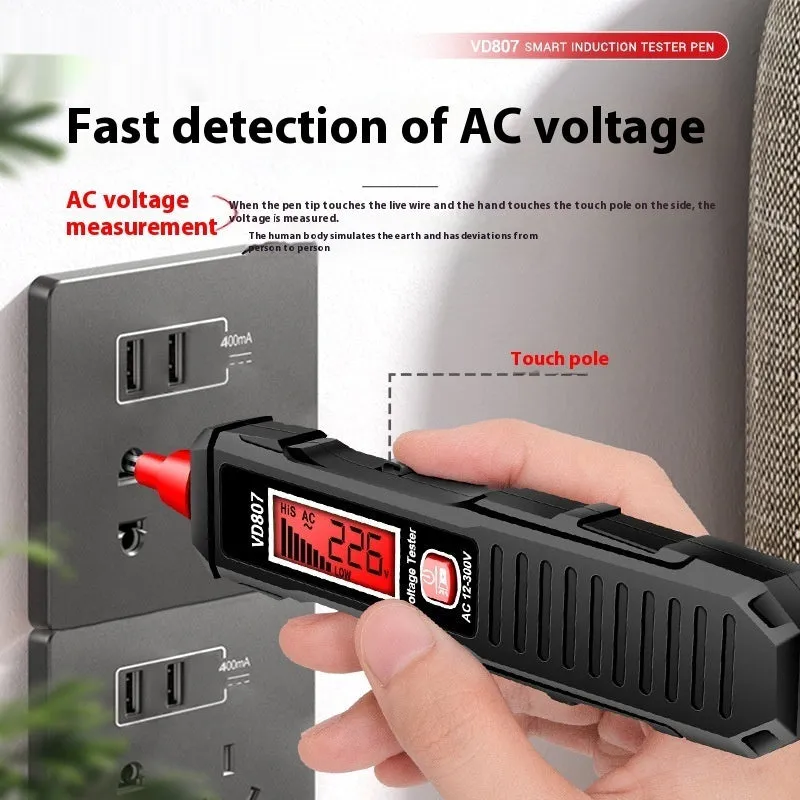
The value of this voltage tester lies in its specific function, safety role, and practical design, offering a focused tool for a critical task.
Reuse and Low Maintenance
As a durable tool with a simple power source—a standard dry battery—it is designed for long-term reuse with minimal upkeep. The plastic housing is resistant to casual impacts and typical grime found in workshop environments. Maintenance involves little more than periodically checking and replacing the dry battery when the LCD display dims or fails to activate, ensuring it is always ready for use. There are no complex calibration procedures or consumables required, aligning with the need for a dependable, always-available testing device.
Why Choose This Product
This product is chosen for its clear, defined purpose: providing a safer, more informative alternative to basic voltage indicators. The combination of an LCD numeric display and high-sensitivity detection offers tangible advantages over non-detailing testers. The display removes guesswork, while the sensitivity improves reliability. For the specified voltage range, it delivers the core information needed for most common electrical tasks. Its value is in being a dedicated, fit-for-purpose tool that performs one job well, contributing to safer working practices for anyone needing to interact with electrical circuits.