Ceramic Brightness Stone Portable Glossiness Tester CS300 CS300S CS380, Single Angle 60 Degree and Triangle 20 60 85 Degree Models with Microporous 23mm Sensor


Ceramic Brightness Stone Portable Glossiness Tester CS300 CS300S CS380, Single Angle 60 Degree and Triangle 20 60 85 Degree Models with Microporous 23mm Sensor
Ceramic and Stone Portable Glossiness Tester for Single Angle 60° and Tri-Angle 20°/60°/85° Measurement
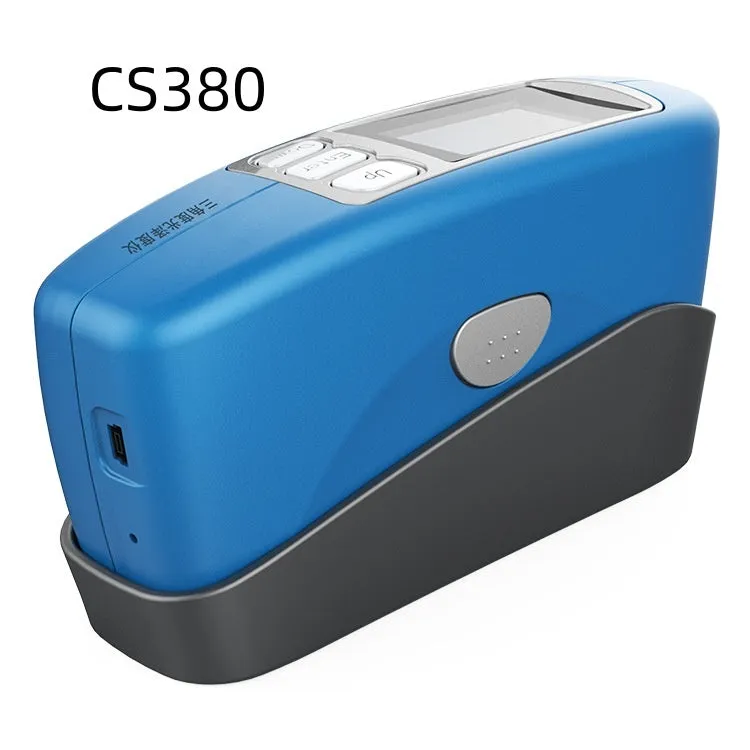
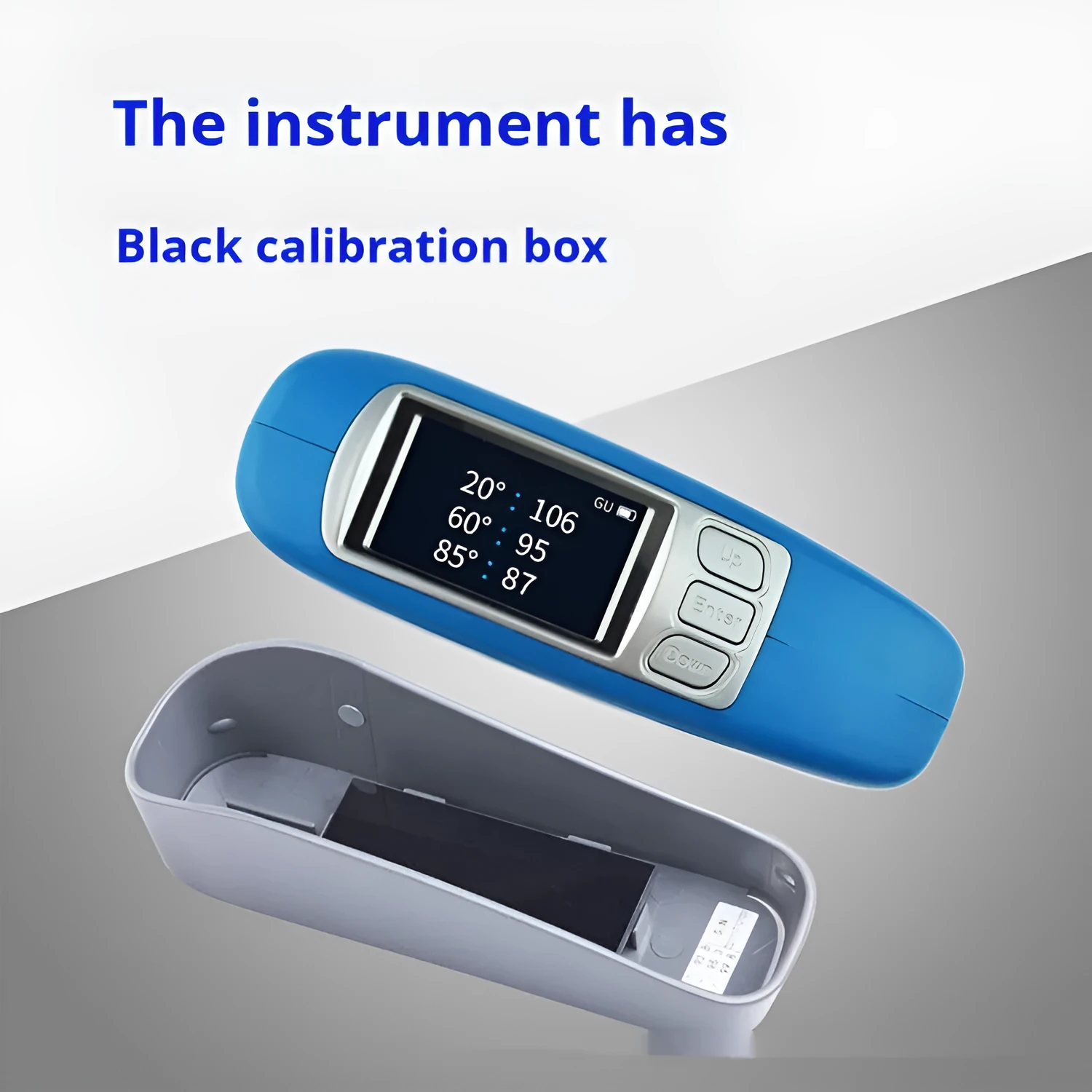
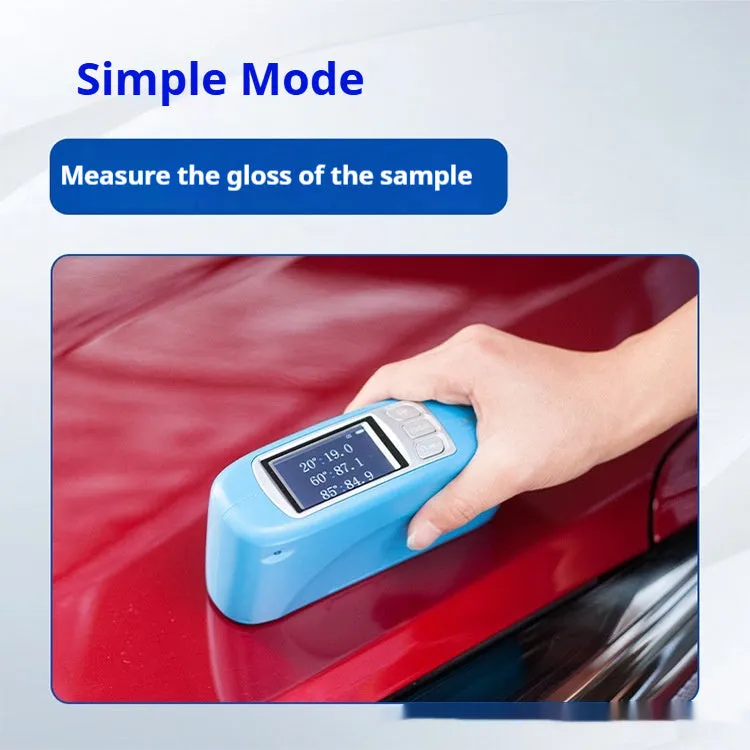
This portable glossiness tester is designed for professionals who need to verify the surface finish of materials like ceramic tiles, natural stone, laminates, and coated metals directly where the product is used or manufactured. Moving beyond laboratory constraints, it provides a practical tool for quality assurance teams, installation specialists, and production floor supervisors. By measuring the amount of light reflected from a surface, it gives a quantifiable gloss value, aiding in consistency checks between batches, compliance with specifications, and final inspection before dispatch or installation. The availability of different models—CS-300, CS-300S, and CS-380—allows users to select the instrument that matches the typical gloss range and surface characteristics of their specific materials.
Features and Construction

The core function of this device is to deliver reliable gloss readings in a format that is easy to transport and use outside a fixed lab. Its construction focuses on providing a stable measurement platform in a handheld form factor.
Material and Build
The tester is built from electronic components housed within a casing designed for handheld operation. The construction prioritises functionality for taking gloss readings on various hard surfaces. The CS-300S model incorporates a specific microporous sensor, which has a defined aperture size of 23mm. This design element may be suited for taking measurements on specific surface textures or for standardising readings according to certain measurement protocols.
Size and Practical Fit
The key provided dimensional specification is the 23mm sensor aperture on the CS-300S model. The portable nature of the device implies a compact and lightweight design, making it suitable for carrying in a tool case or by hand to different locations such as warehouse shelves, production lines, or installed tile surfaces. The lack of detailed overall dimensions in the source suggests users should confirm the exact physical size for their storage or carrying needs.
Uses and Placement

This instrument finds its primary application anywhere a rapid, quantitative assessment of surface gloss is required, bridging the gap between subjective visual inspection and detailed laboratory analysis.
Event or Professional Use
In professional settings, this tester is valuable for quality control inspectors in ceramic tile factories or stone fabricators, allowing them to spot-check products on the pallet before shipping. It is also useful for technical sales representatives to demonstrate product specifications to clients on-site or for auditors verifying that delivered materials meet the gloss levels stated in purchase contracts. The tri-angle CS-380 model, with its 20°, 60°, and 85° angles, is particularly suited for assessing a wider range of finishes, from high-gloss to matte, on diverse products.
Everyday Home Use
While primarily a professional tool, it could also serve specialised DIY enthusiasts or small workshop owners who work extensively with finished surfaces, such as those restoring furniture, applying coatings, or installing decorative tiles and wishing to ensure a uniform finish. The single-angle 60° models (CS-300, CS-300S) are often the standard for general-purpose gloss measurement on common surfaces.
Benefits and Buying Value

The value of this product lies in its ability to translate a subjective visual characteristic—gloss—into an objective, numerical value that can be tracked and compared, directly at the point of need.
Reuse and Low Maintenance
As a durable electronic tool, the glossiness tester is designed for repeated use over time. Its value is realised through its reuse across multiple projects, batches, and sites, reducing the need for speculative judgements about finish quality. Maintenance likely involves basic care such as keeping the measurement window clean and calibrating the device as recommended, ensuring long-term measurement accuracy without frequent replacement.
Why Choose This Product
The choice between the CS-300, CS-300S, and CS-380 models allows for matching the tool to the task. The CS-380 offers the most versatility for operations dealing with varied materials. The CS-300S provides a specific sensor configuration (23mm microporous) that may be required for certain standards or materials. The standard CS-300 offers a fundamental 60° gloss measurement. Selecting the correct model ensures you have the right angle and sensor type for your most common measurements, making the investment practically relevant.