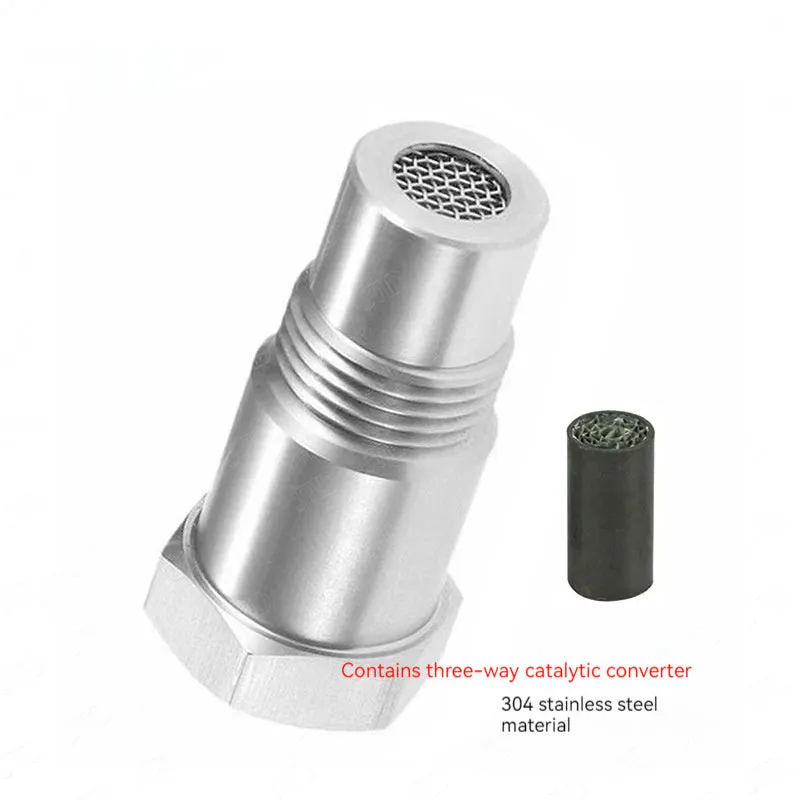
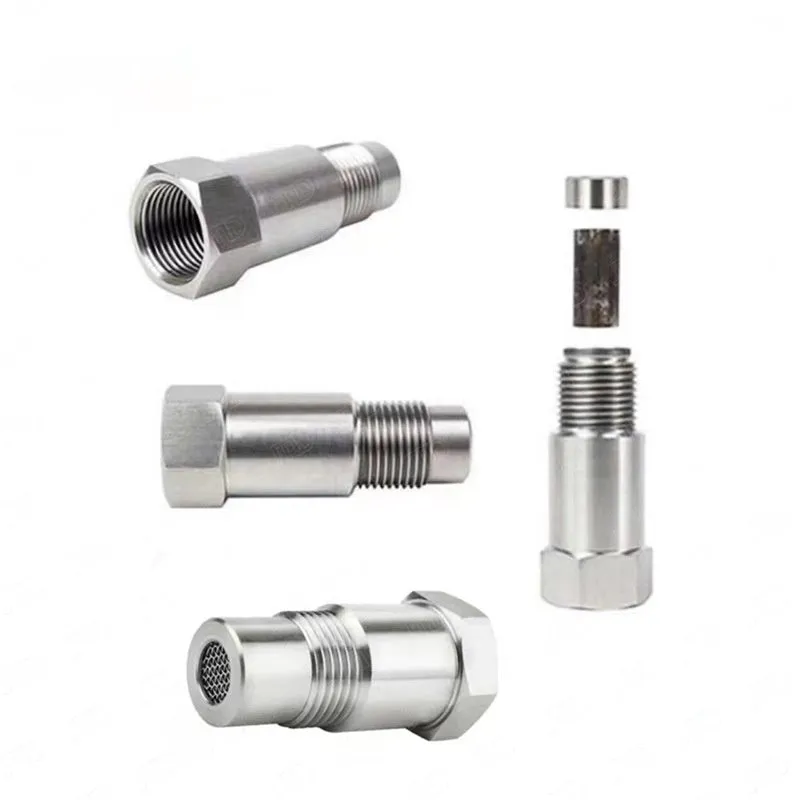
Car oxygen sensor connector modification accessories kit with 304 stainless steel three-way catalytic converter sensor adapter for exhaust system repair and upgrade projects


Car oxygen sensor connector modification accessories kit with 304 stainless steel three-way catalytic converter sensor adapter for exhaust system repair and upgrade projects
304 Stainless Steel Oxygen Sensor Adapter Kit with Three-Way Catalyst Sensor for Exhaust Repairs
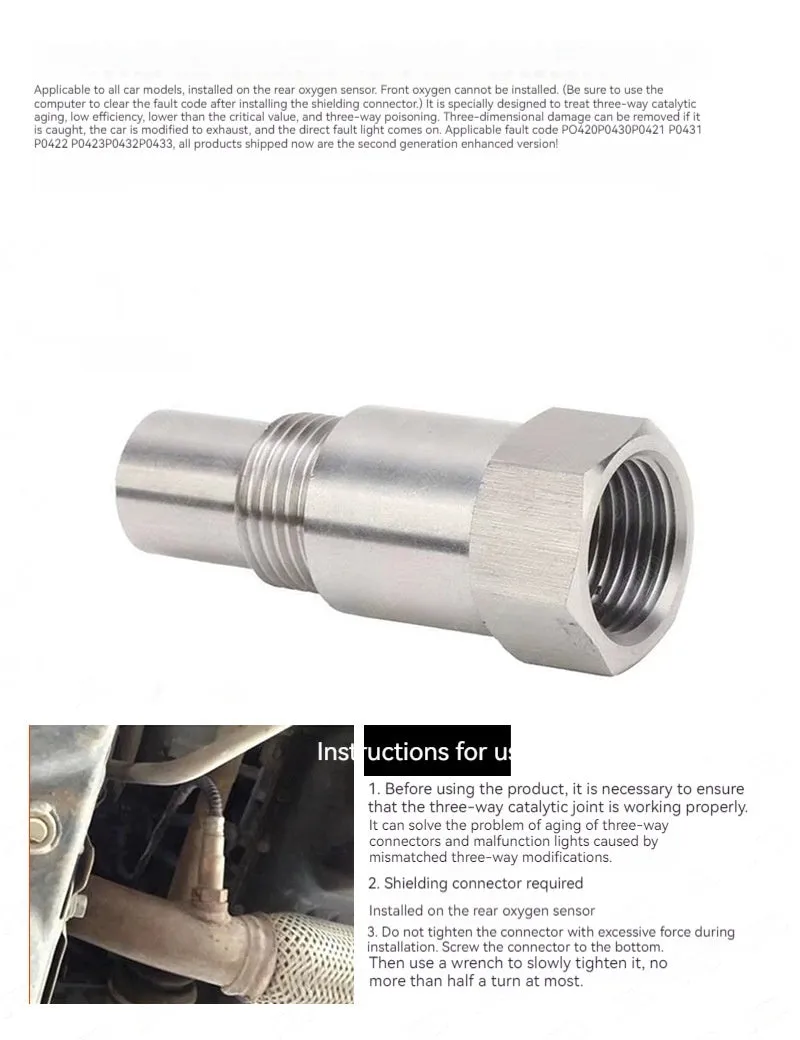
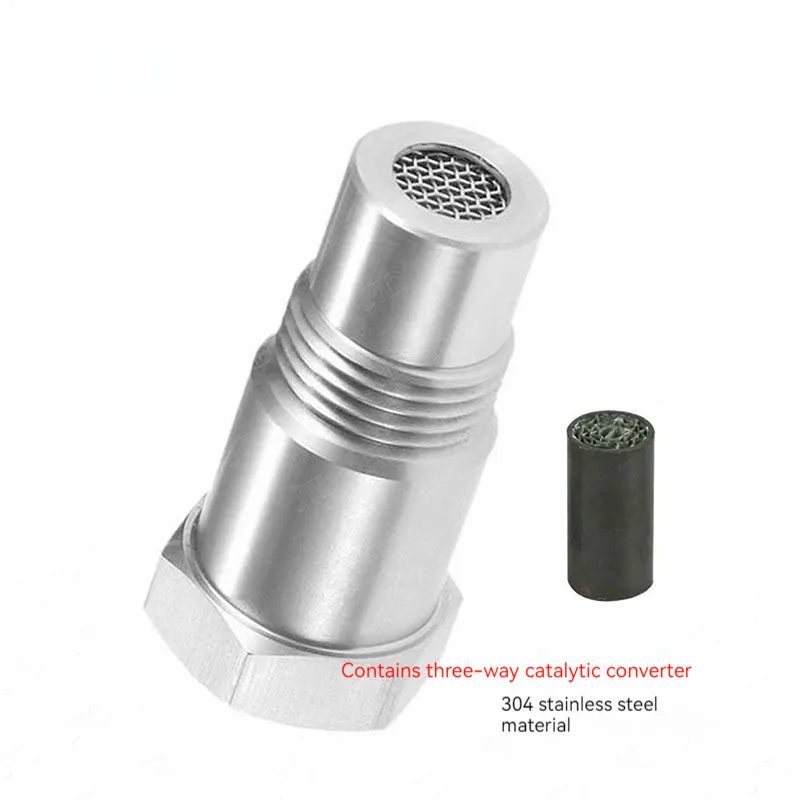
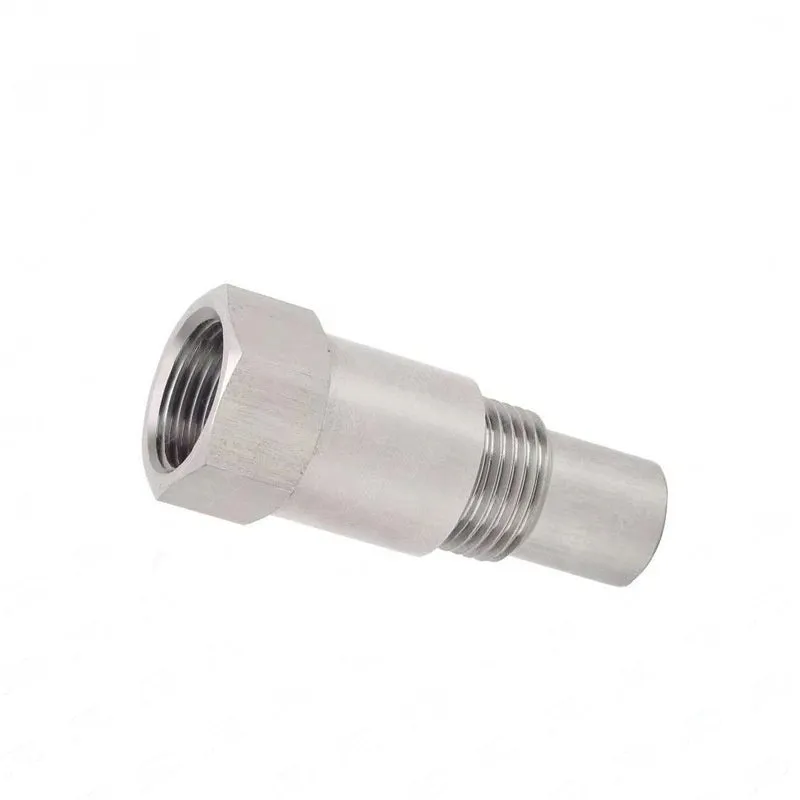
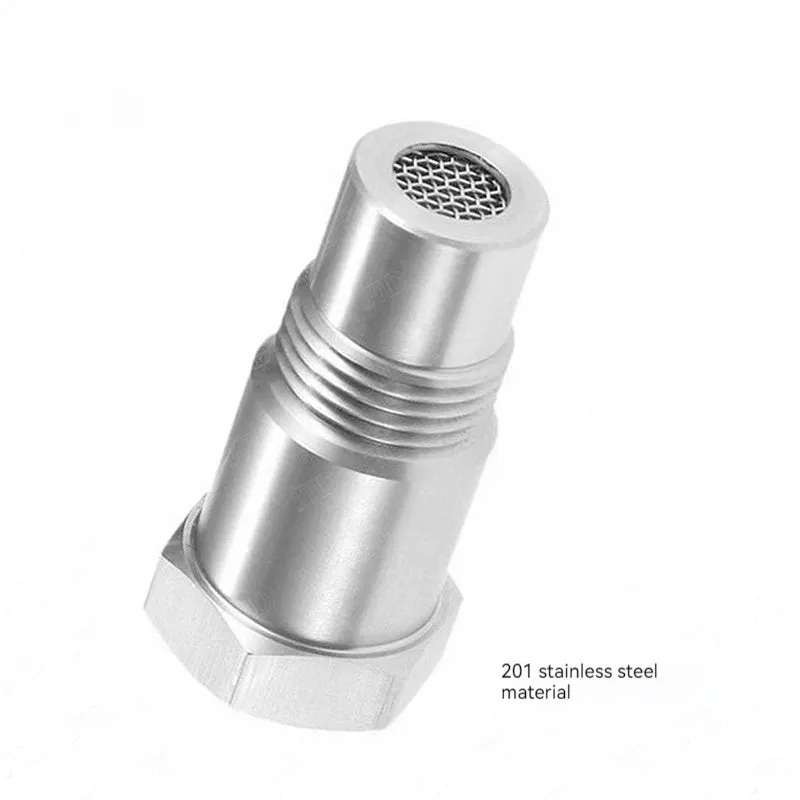
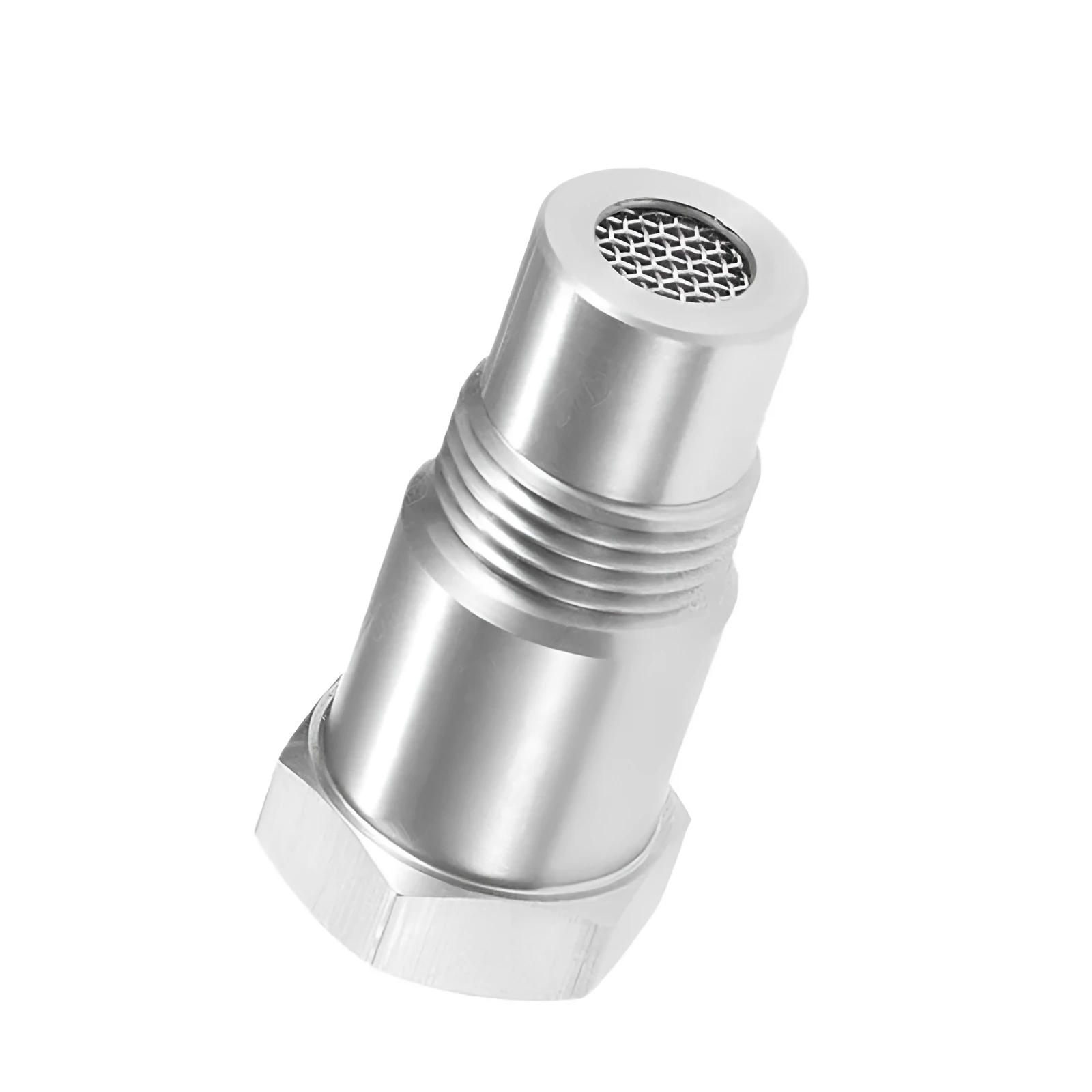
This modification kit provides a practical solution for mechanics and automotive enthusiasts working on exhaust system upgrades or repairs. It centres on a 304 stainless steel adapter, a material chosen for its ability to resist the corrosive environment found in vehicle exhausts. The inclusion of a specific three-way catalytic converter sensor indicates its application within emissions control systems, allowing for direct replacement or modification projects. The product is listed for general automotive application, making it a versatile component for a range of repair scenarios where sensor connector compatibility is required.
Features and Construction
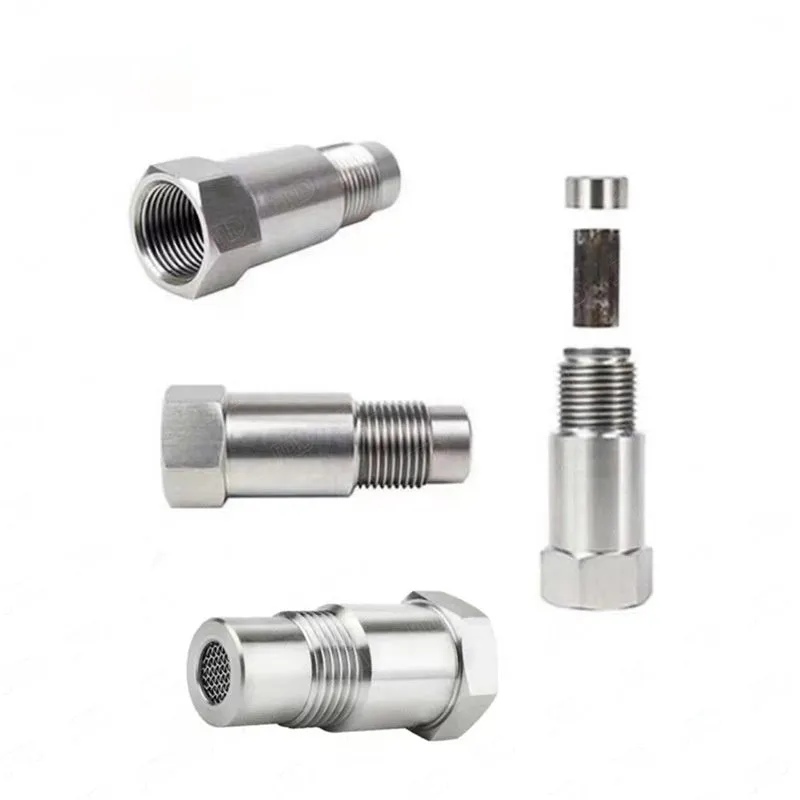
This kit is built around two key, source-stated components: the adapter housing and the sensor itself. The construction is defined by the materials used, which are chosen to meet the demands of an exhaust system's high-temperature and corrosive operating conditions.
Material and Build
The adapter is manufactured from 304 stainless steel. This is a commonly used austenitic grade of stainless steel known for its good general corrosion resistance and formability. In the context of an exhaust component, this material selection aims to provide longevity against exposure to exhaust gases, road salts, and moisture, though no specific lifespan or performance guarantee is stated or implied by the source material.
Size and Practical Fit
The source text does not provide specific dimensional data for the adapter or sensor. Therefore, precise sizing for thread pitch, diameter, or length cannot be confirmed. This kit is intended for use where an adapter is needed to bridge connections between different sensor and catalytic converter fittings, facilitating modifications or repairs on exhaust systems. Users should verify the compatibility of the threads and connector types with their specific vehicle or catalytic converter before purchase and installation.
Uses and Placement
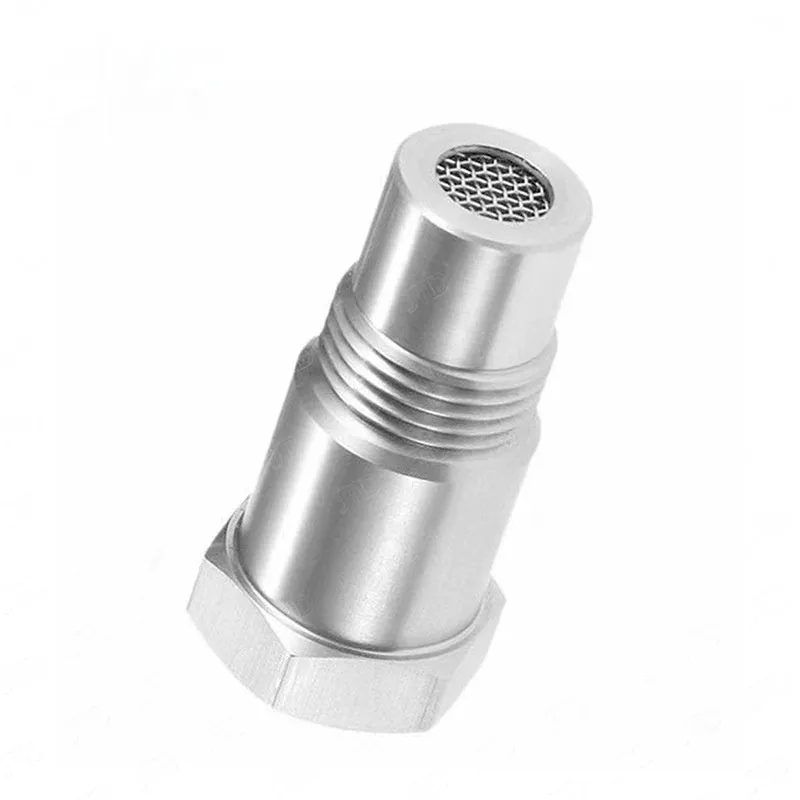
Described as having a general scope of application, this product is suited for a variety of automotive exhaust-related tasks. Its use is tied directly to the function of oxygen sensors and catalytic converters within a vehicle's emissions control loop.
Event or Professional Use
For professional mechanics or specialist workshops, this adapter kit can serve as a useful part for custom exhaust builds, performance upgrades, or repair jobs where original sensor fittings are damaged or incompatible with replacement parts. The stated inclusion of a three-way catalyst sensor makes it directly relevant for work on petrol engine vehicles, where such sensors monitor the efficiency of the catalytic converter.
Everyday Home Use
For the experienced DIY car enthusiast undertaking exhaust work at home, this kit provides a component to overcome fitting issues. It could be used when installing a new catalytic converter that requires a different sensor connection, or when repairing a section of the exhaust that houses the sensor. The work requires a good understanding of vehicle exhaust systems and appropriate tools.
Benefits and Buying Value
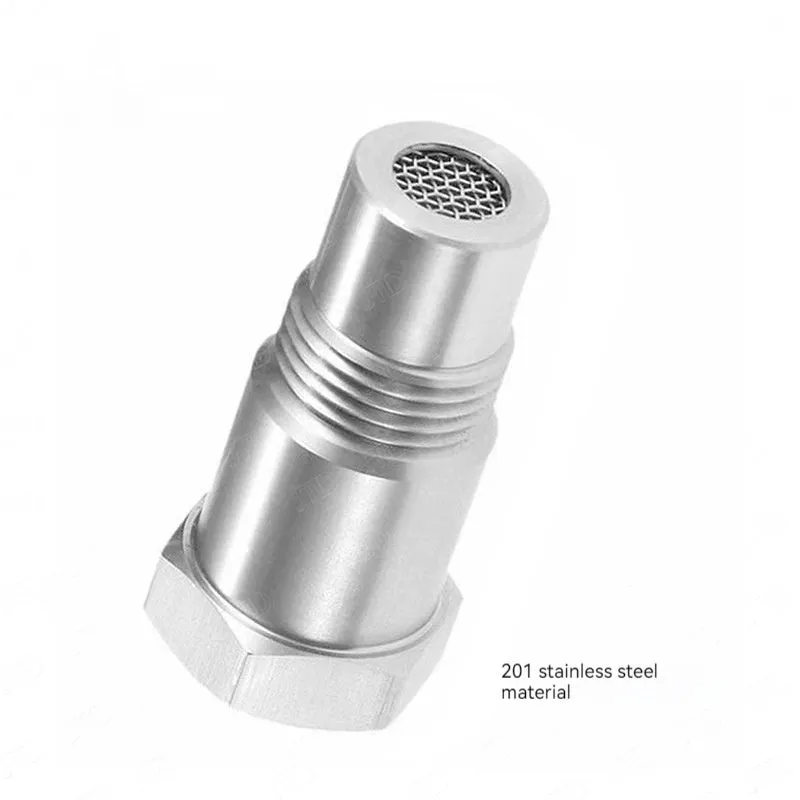
The value of this product lies in its stated components and material, which offer a targeted solution for a specific automotive repair challenge. It avoids the need for more extensive fabrication or sourcing of multiple disparate parts.
Reuse and Low Maintenance
The 304 stainless steel construction of the adapter is aimed at providing durability. Once installed correctly, it should not require maintenance, functioning as a permanent part of the exhaust assembly. The sensor is a consumable electronic component with a finite service life dictated by vehicle usage and conditions, not by the adapter kit itself.
Why Choose This Product
This kit is chosen for scenarios where a direct, source-supported need exists: modifying an oxygen sensor connection using a corrosion-resistant adapter and having the correct three-way catalyst sensor on hand. It consolidates two related parts into a single purchase for a specific modification task, based on the explicitly listed specification and contents.